sawf – Shahida Anwar Welfare Foundation
https://shahidaanwar.org
Wed, 03 May 2023 11:54:08 +0000en-US
hourly
1 https://wordpress.org/?v=7.1Dhunkar
https://shahidaanwar.org/index.php/2023/05/03/hello-world-6-2-2-2-2-2/
https://shahidaanwar.org/index.php/2023/05/03/hello-world-6-2-2-2-2-2/#respondWed, 03 May 2023 11:52:15 +0000https://shahidaanwar.org/?p=1639Continue reading Dhunkar]]>
Dhunkar
Dhunkar
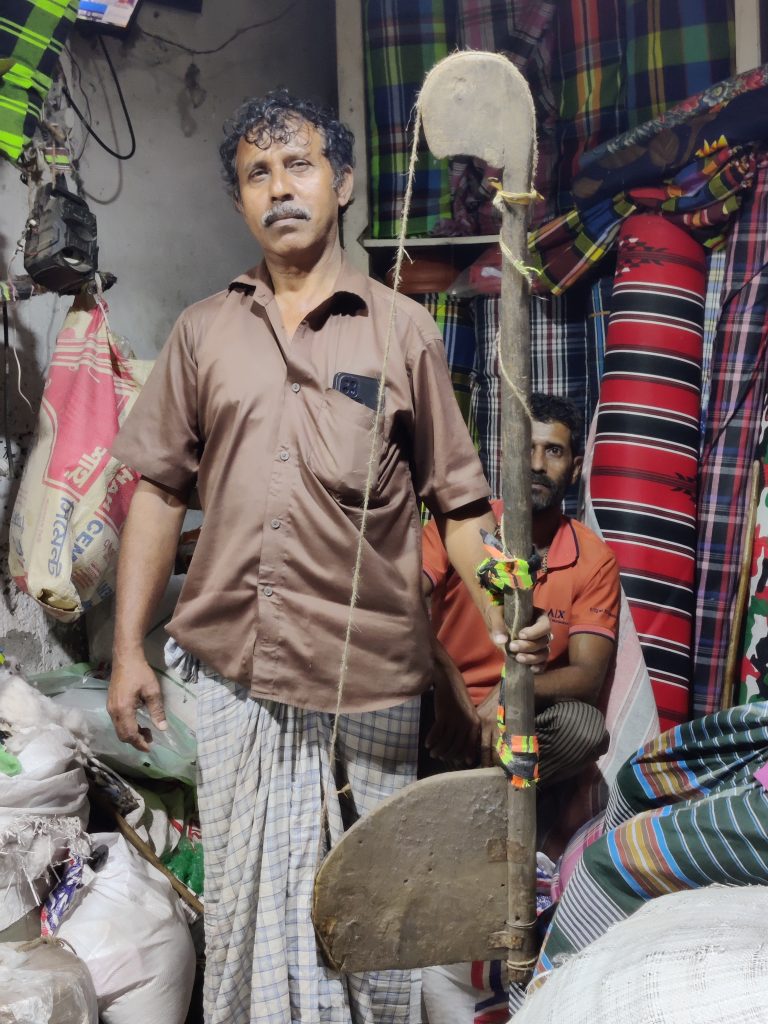
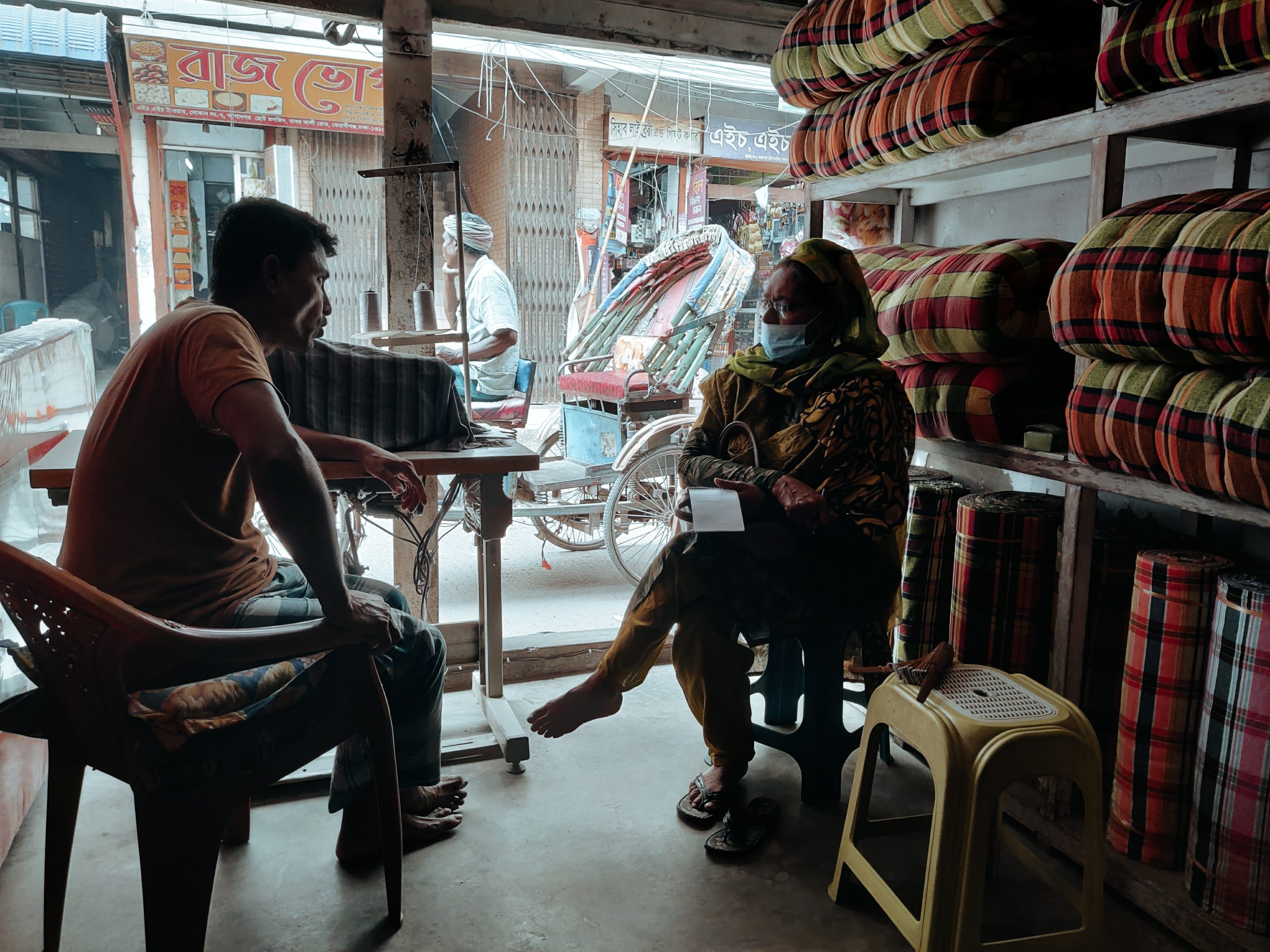
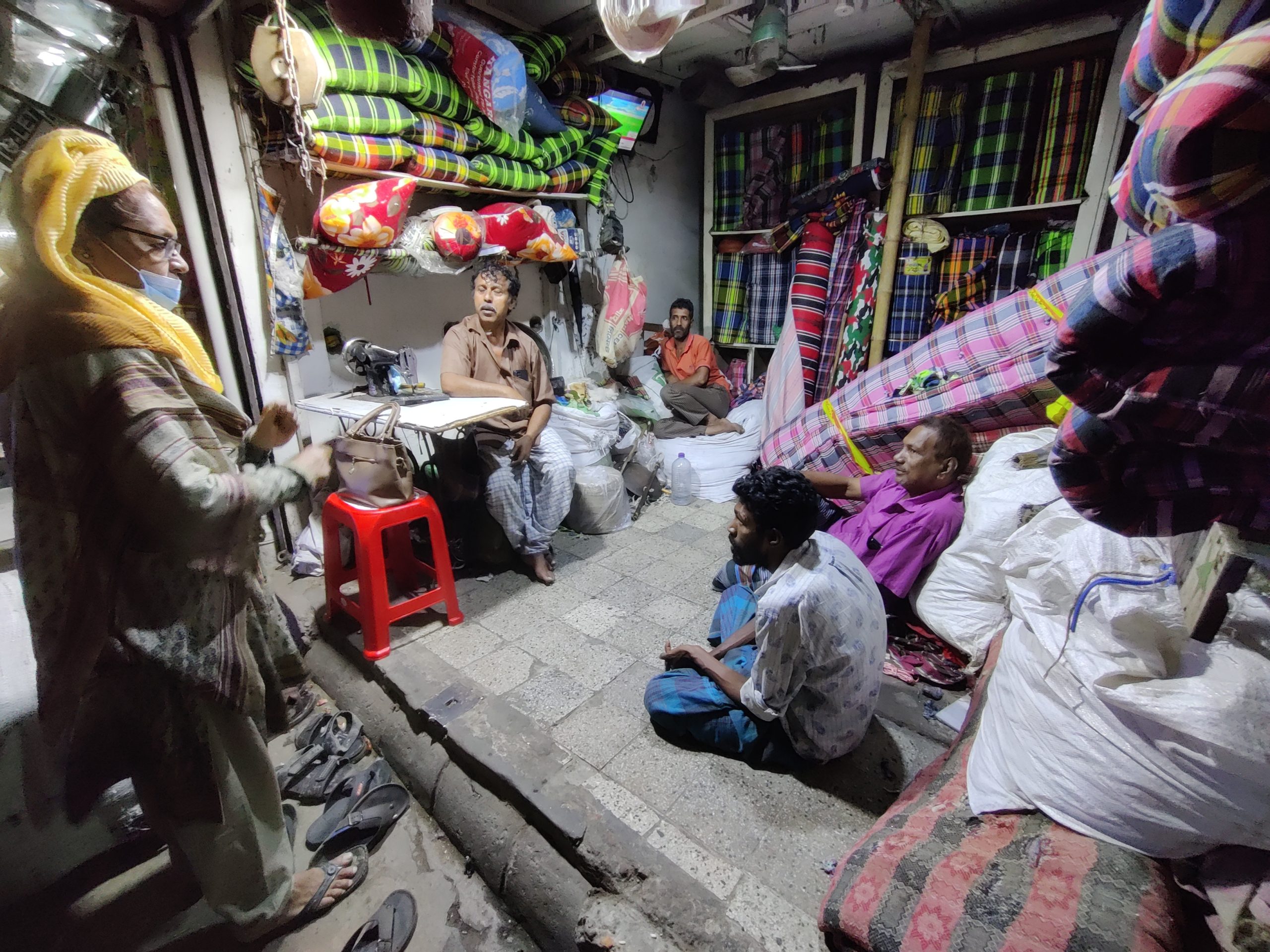
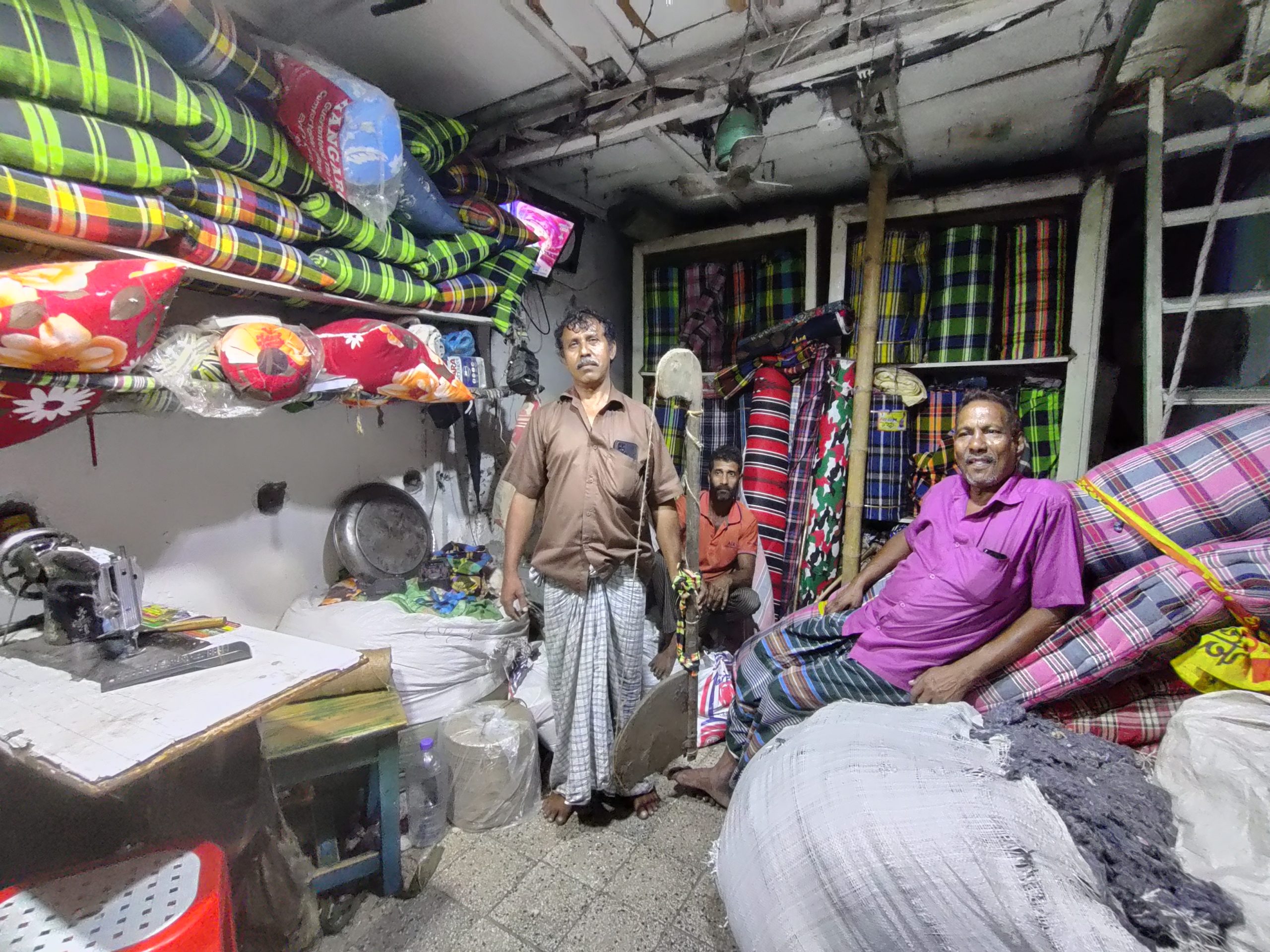
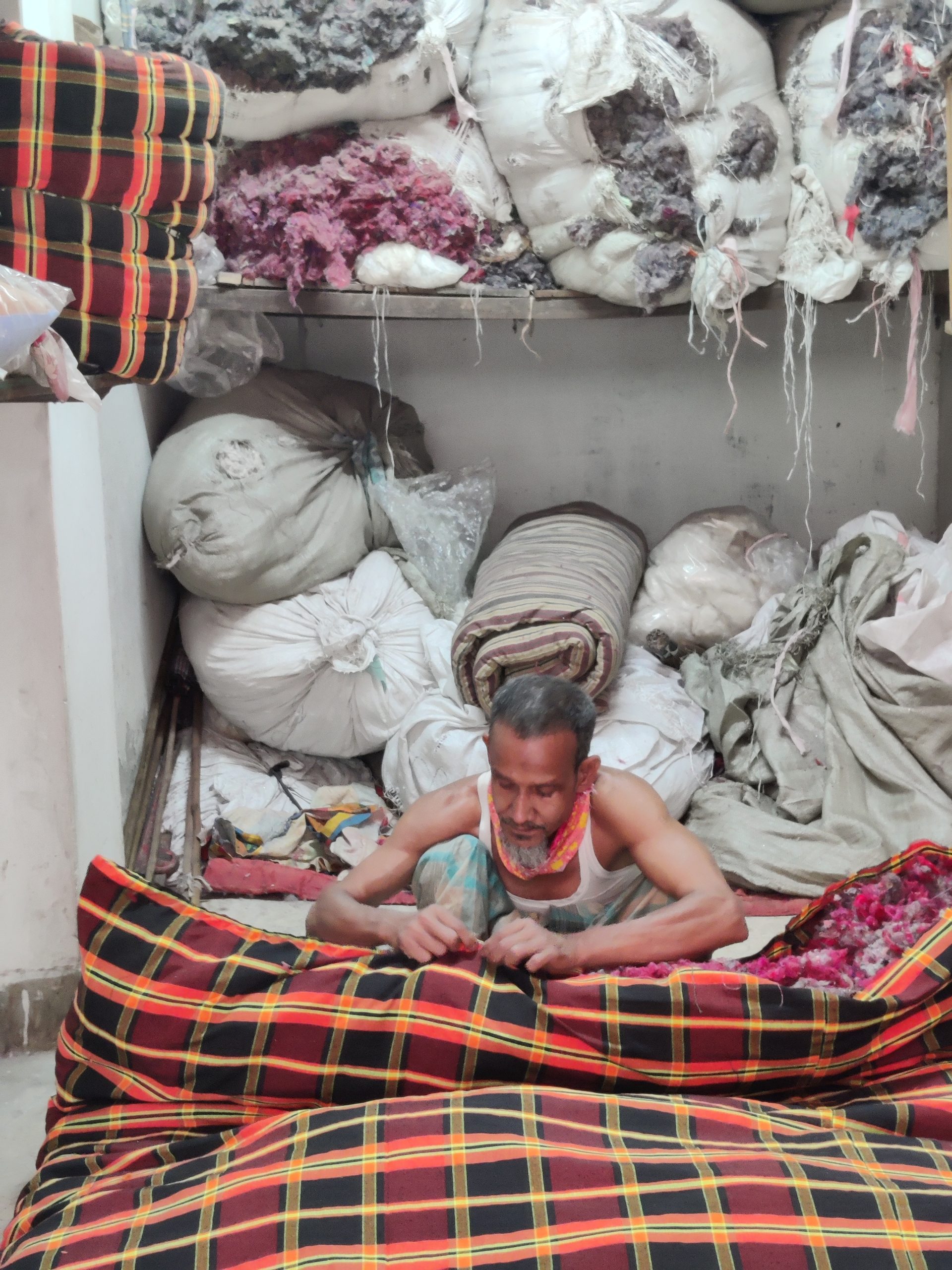
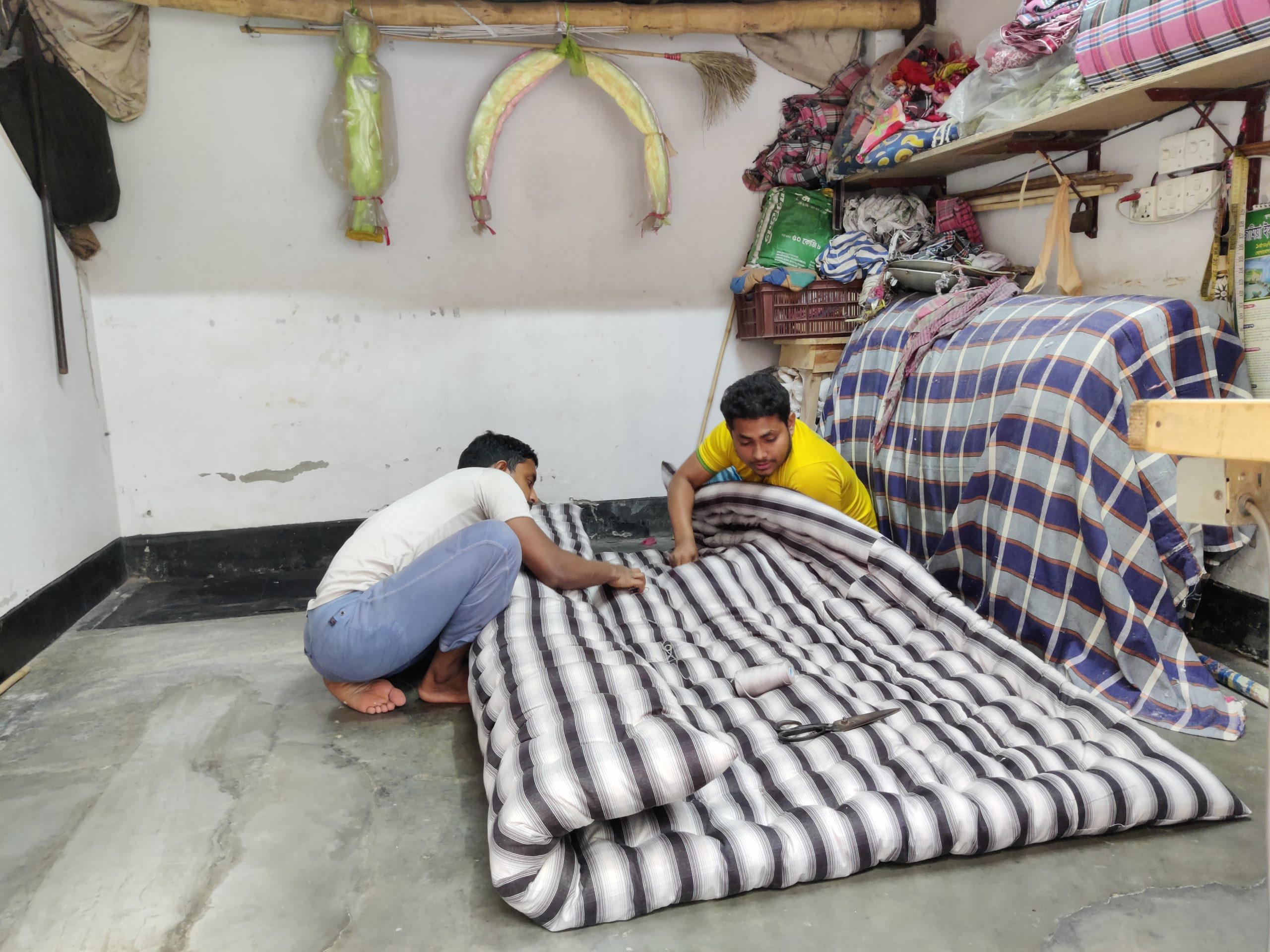
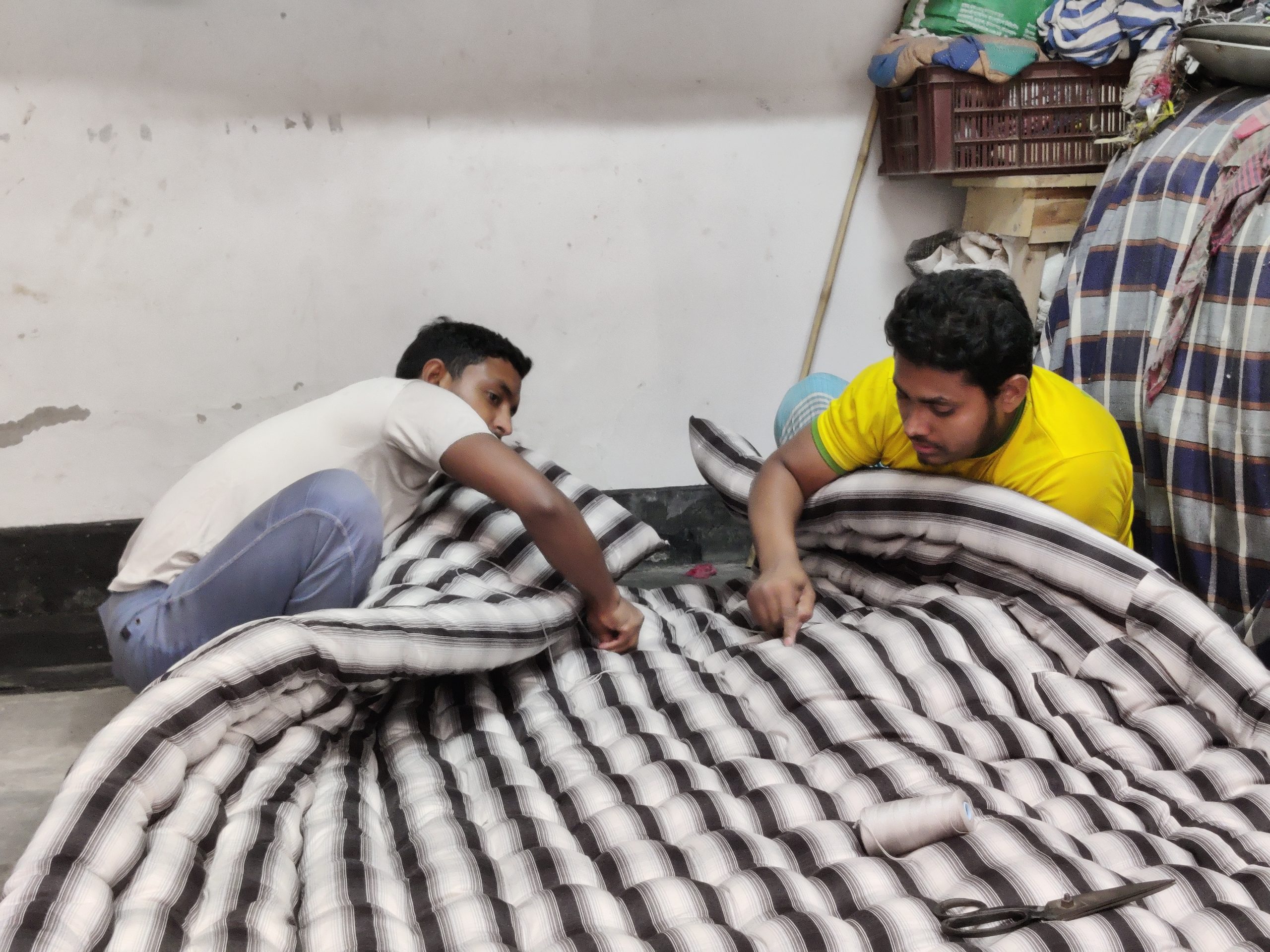
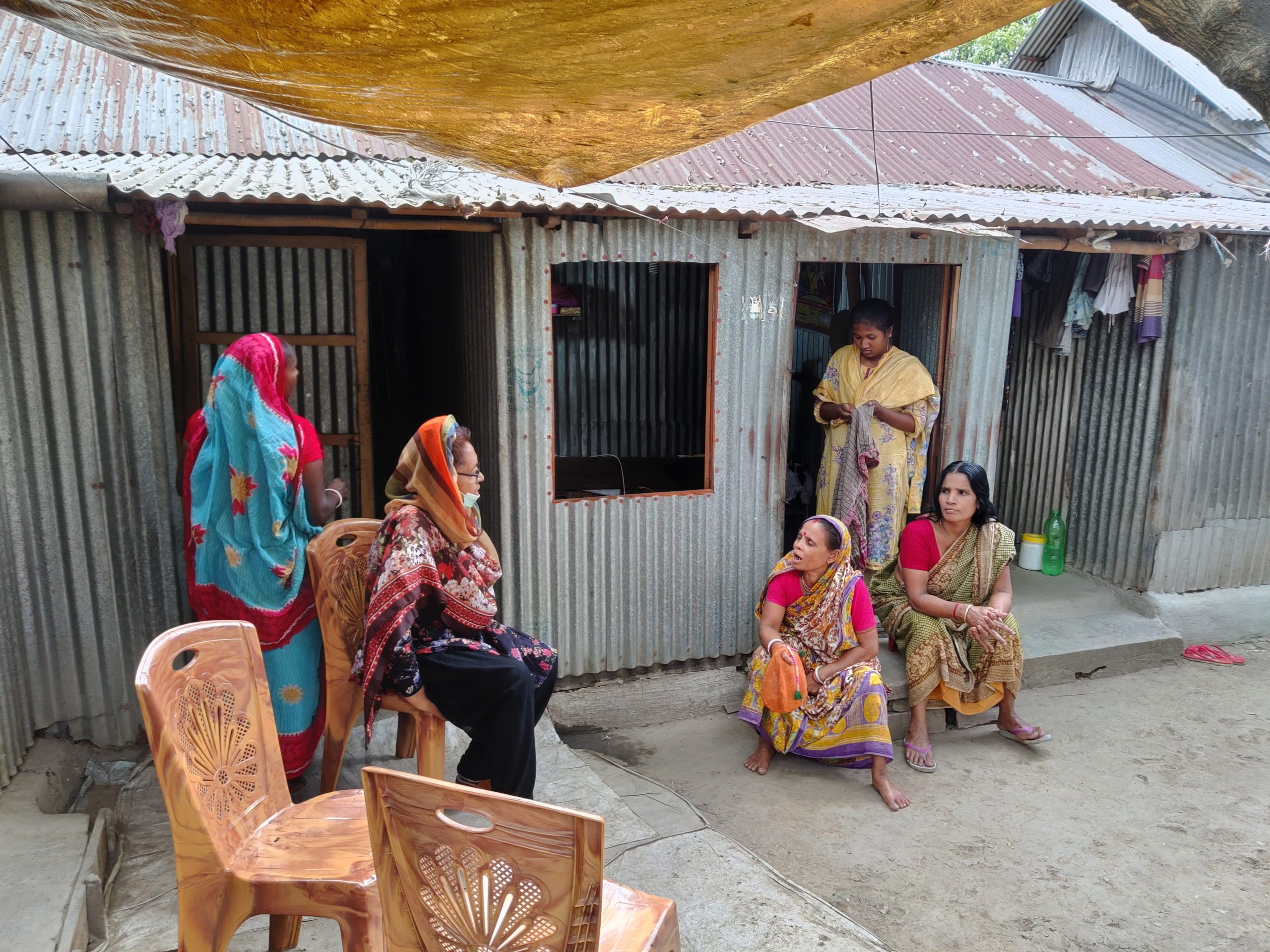
In the winter season, especially in rural Bengal, the sight of Dhunkars going from house to house to make lep-toshak with dhunat hanging around their neck/shoulder is still visible. The main instrument of Dhunkar is Dhunat. Made of bamboo, cane and wood, the instrument looks like a bow. The wood is wide in circumference at the bottom and rounded at the top. A special kind of rope made of cow’s muscular system is tied over and under the wooden head. The cotton is cleaned and stretched by holding it close to the cotton and beating it with a mallet. In this way, cotton was milled and used to make covers, toshaks, pillows, jajims according to the design. Dhunkar’s team usually consisted of 2/3 people. The instrument was hung on one person’s shoulder, cotton and cloth on the shoulders of the other two. They went from house to house to meet the needs of the people. Such a scene is no longer seen. At one time they could be seen in the city. Advances in technology have led to better quality machines being used for cleaning cotton today. There is no use of dhunat. As a result, the work of Dhunkar professionals has decreased at a great rate. At present, most of this class of people work as artisans in the markets of Gramganj and in the textile shops of the city. But if they have work, they have income, if they don’t have work, there is no income. As a result, it has become difficult to run a family. They remain invisible to the people of the society. But they also have a life – have a family – have a little desire to live. After going out in search of these professionals, I went to Mohammadpur in the capital and Keraniganj across the Burigangariver and talked to some of them – they were spending idle time. Shahida Anwar Welfare Foundation is proud to stand by them.
]]>https://shahidaanwar.org/index.php/2023/05/03/hello-world-6-2-2-2-2-2/feed/0Kumar
https://shahidaanwar.org/index.php/2023/05/03/hello-world-6-2-2-2-2/
https://shahidaanwar.org/index.php/2023/05/03/hello-world-6-2-2-2-2/#respondWed, 03 May 2023 11:46:10 +0000https://shahidaanwar.org/?p=1621Continue reading Kumar]]>
Kumar
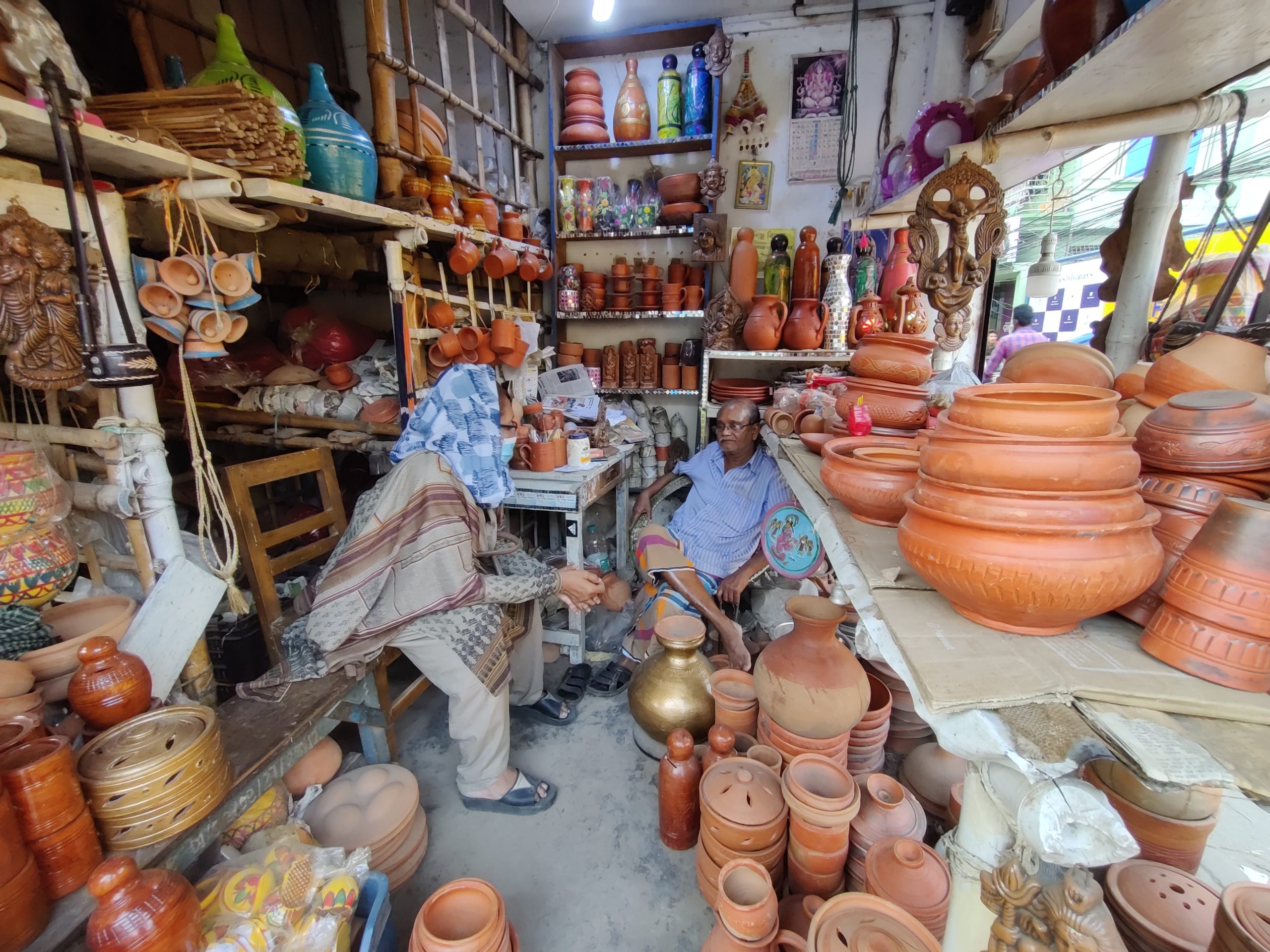
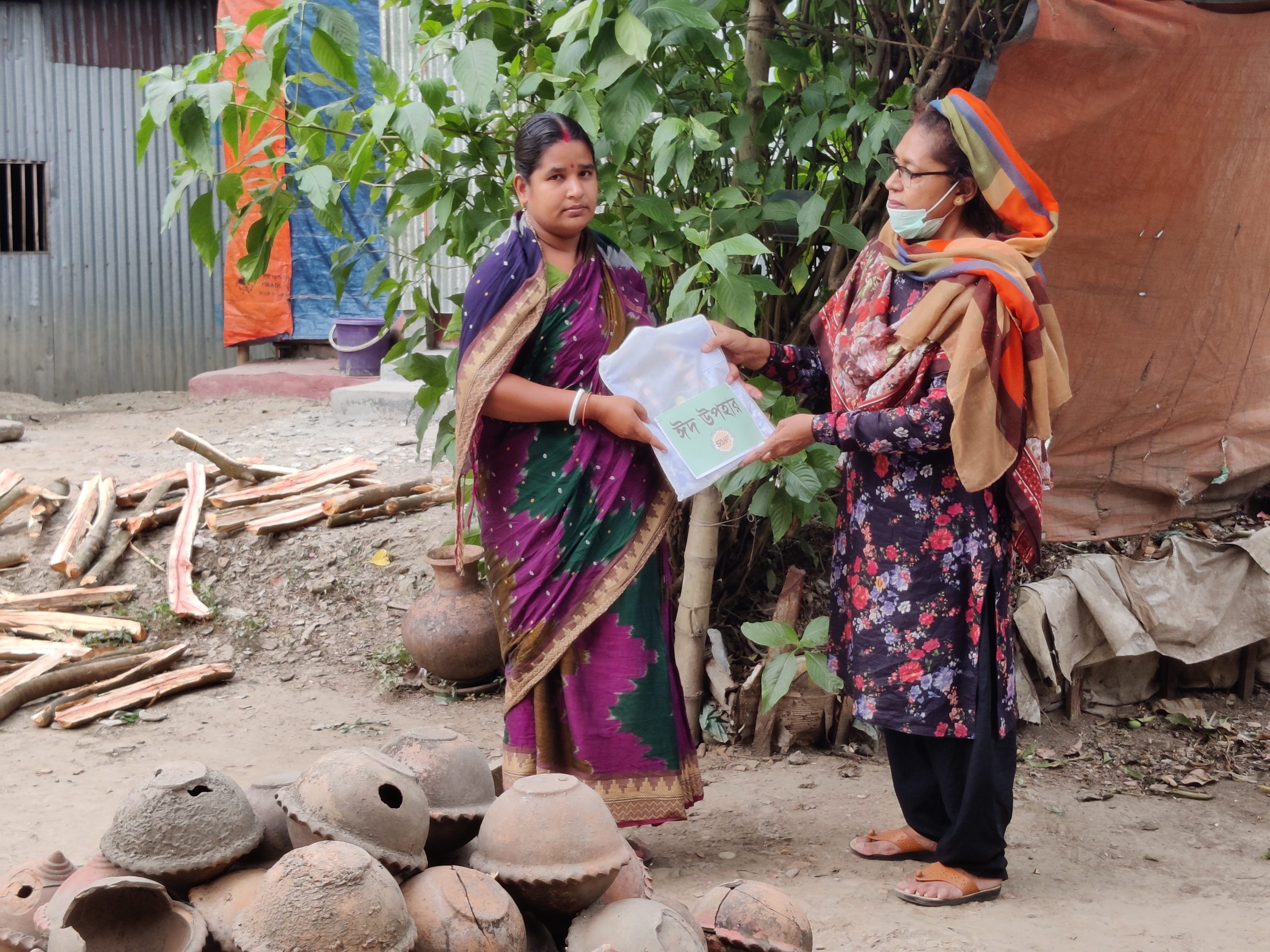
Shahida Anwar Welfare Foundation alongside artisan potters of traditional pottery
Pottery is an ancient and traditional art of rural Bengal. The main material of this industry is clay. And those who make utensils with clay are known as Kumar, pals, Kumvokar, potters etc. in the society. With deep love and compassion, the potters create a variety of festive items, such as various types of pots, pitchers, bowls,open frying pans, graters and other clay items through skilled handcrafts. Soil is their only means of livelihood. Once upon a time, earthenware was widely used for various household purposes. With the evolution of time, this ancient industry of rural Bengal is about to be lost due to the production of various materials with modern technology. The demand for earthenware is decreasing drastically due to the increasing popularity of polished steel, melamine, brass, brass, silver, aluminum and plastic household items. As a result, the standard of living of pottery artisans in different regions of the country is decreasing day by day. It has become difficult for them to make a living from this profession. Recently, potters are trying to sustain themselves by leaving the traditional boundaries and using new technologies and materials to create new pottery. We found potters lazing around in the Pal Paras of Gangapur, Nandipur and Nayagaon in Sonargaon (Narayanganj). They say that it is not possible to work regularly as before due to increase in the price of materials for making clay pottery and decrease in demand. Shahida Anwar Welfare Foundation stands alongside the artisan potters of this traditional pottery.
]]>https://shahidaanwar.org/index.php/2023/05/03/hello-world-6-2-2-2-2/feed/0The sailor of Kheyaghat
https://shahidaanwar.org/index.php/2023/05/03/hello-world-6-2-2-2/
https://shahidaanwar.org/index.php/2023/05/03/hello-world-6-2-2-2/#respondWed, 03 May 2023 11:34:42 +0000https://shahidaanwar.org/?p=1585Continue reading The sailor of Kheyaghat]]>
The sailor of Kheyaghat
Kheyaghat
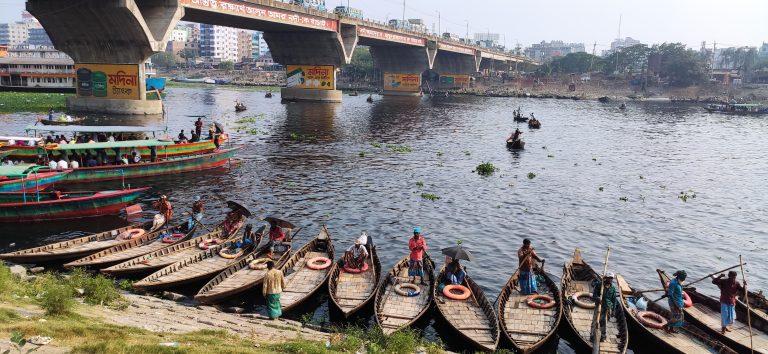
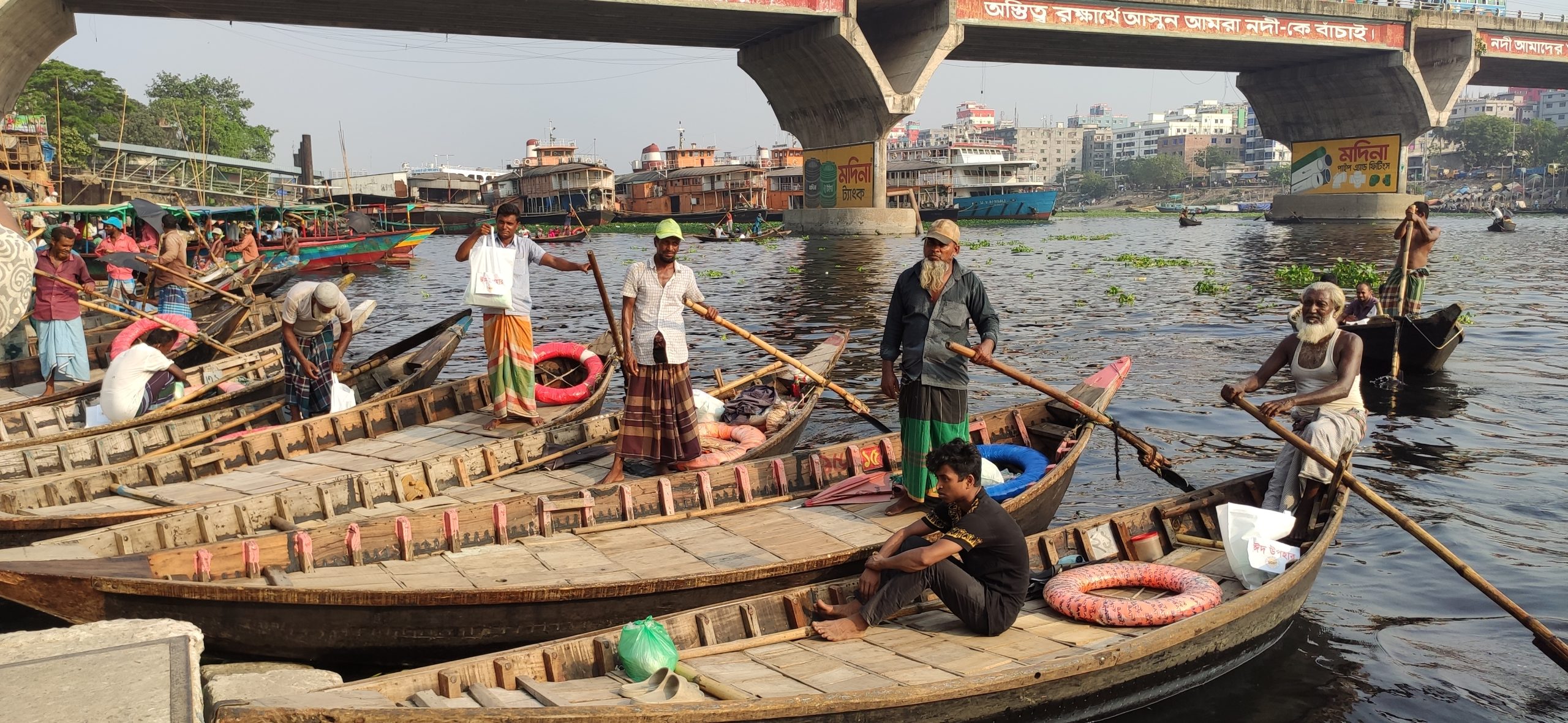
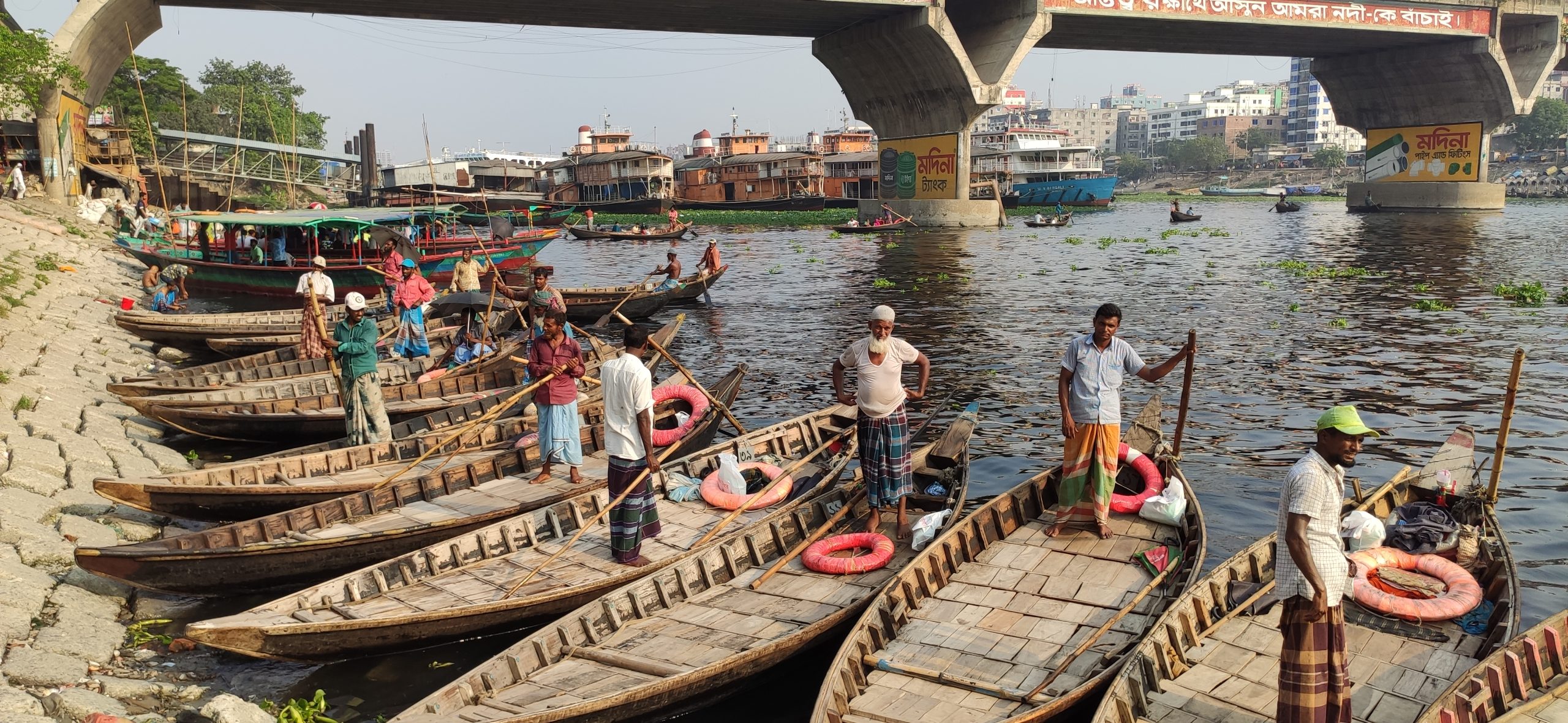
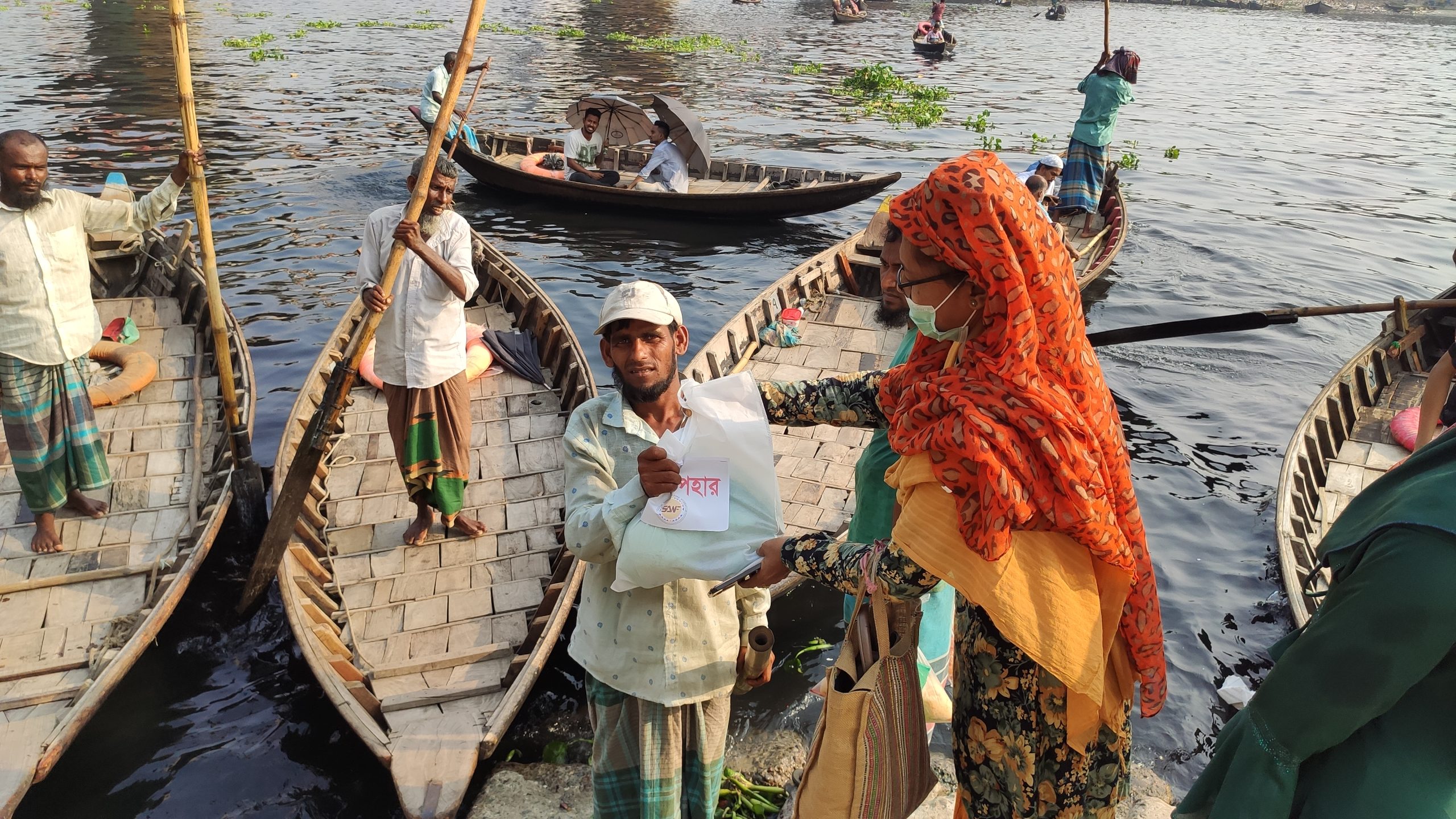
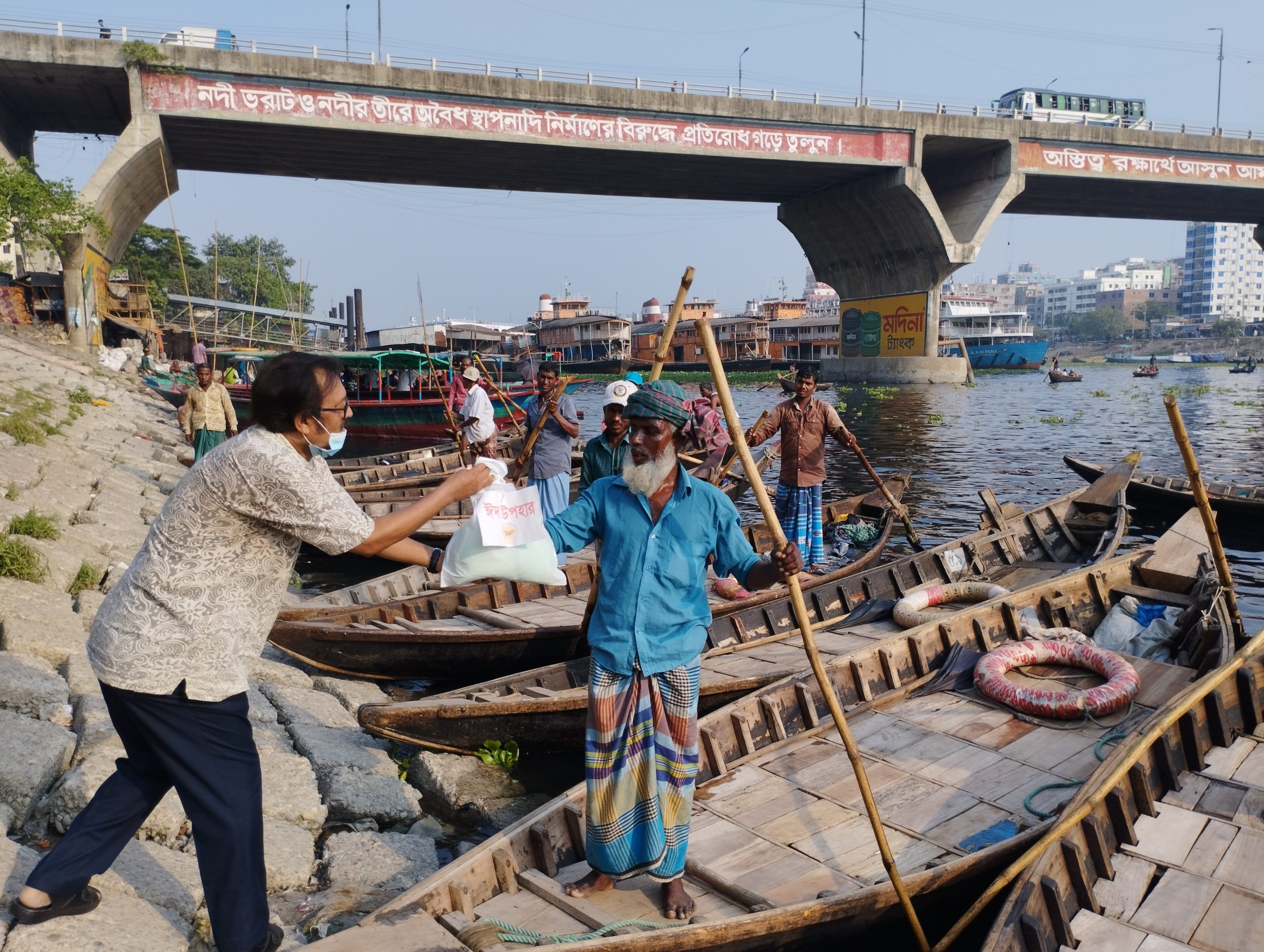
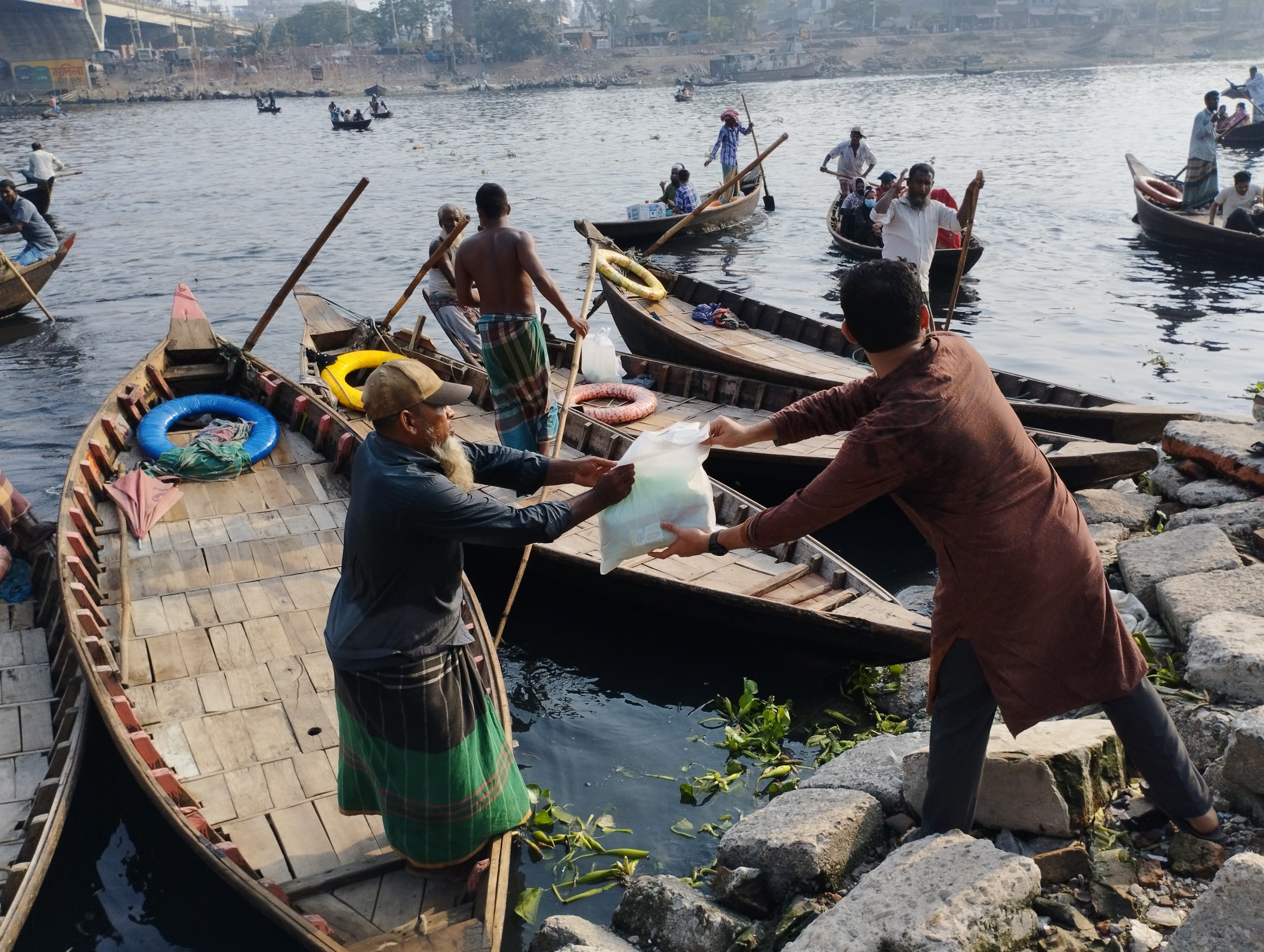
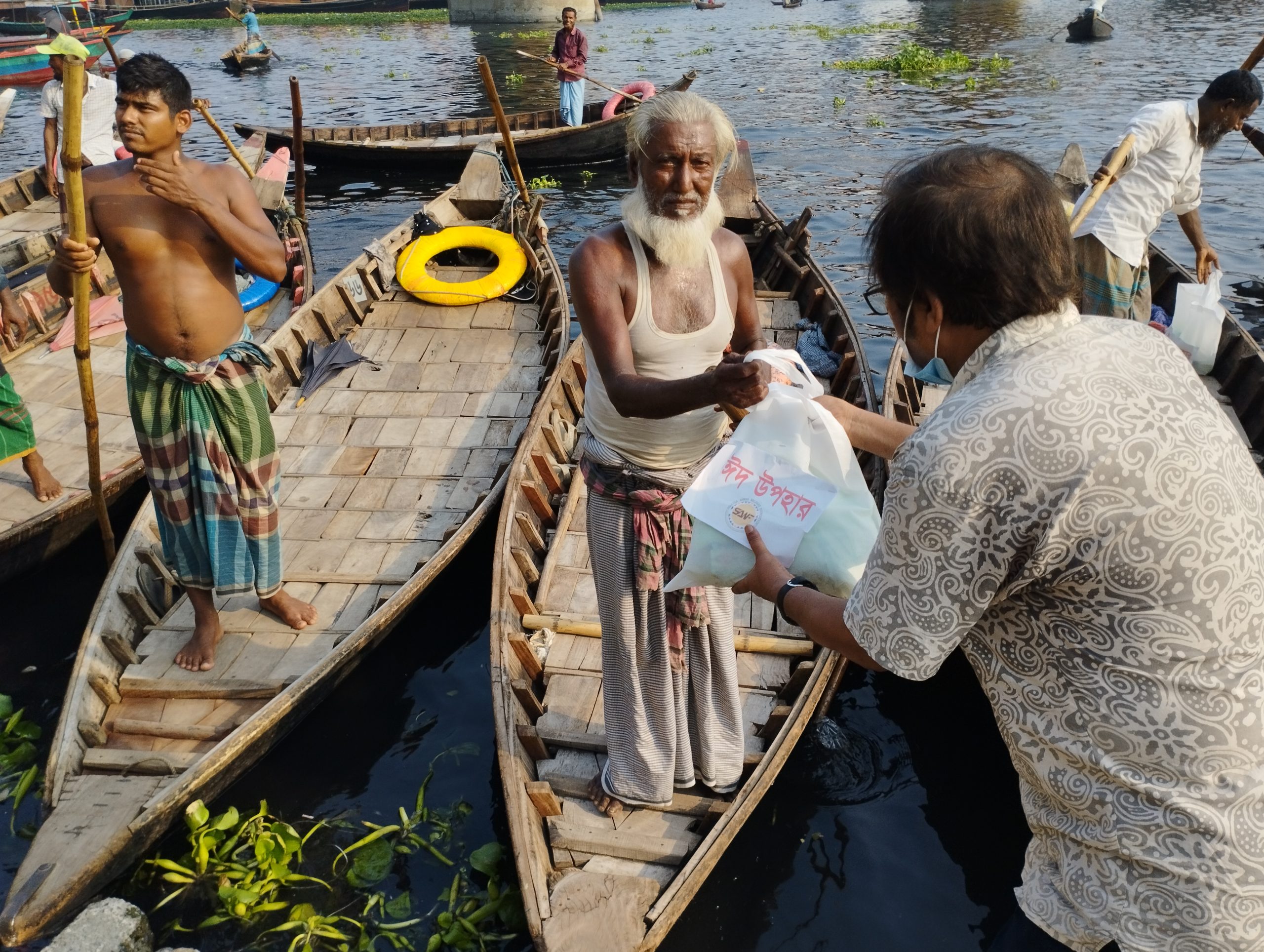
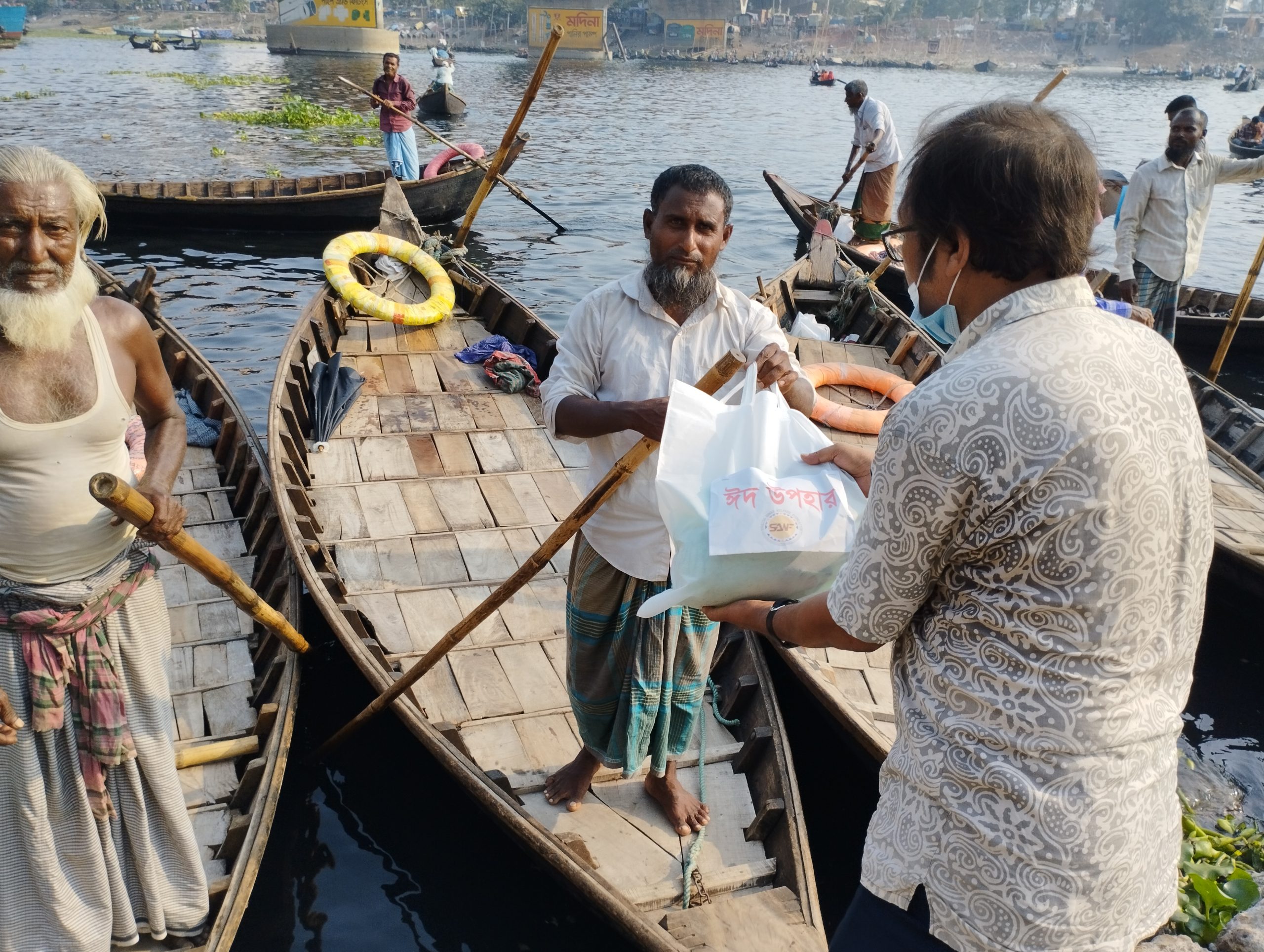
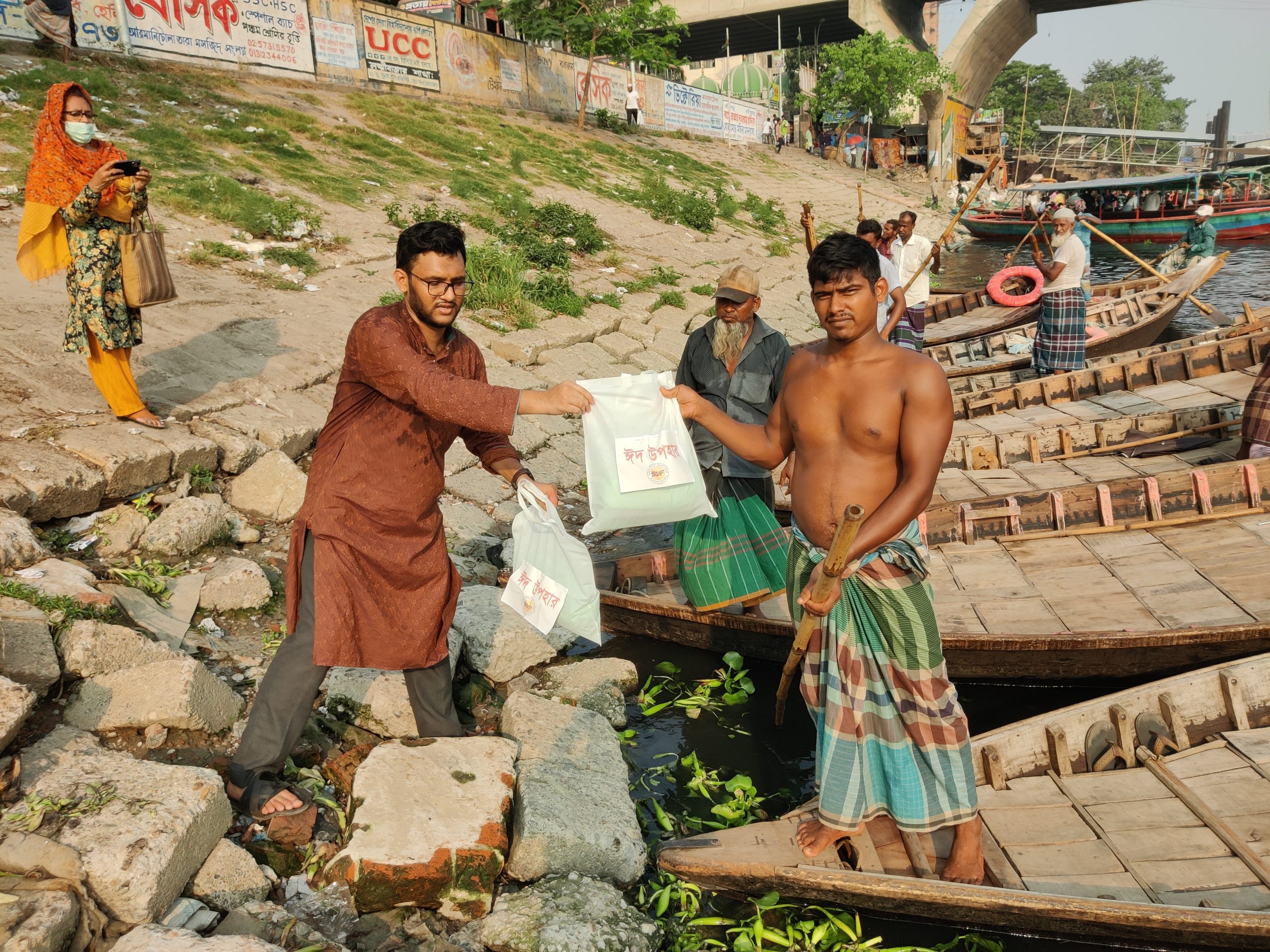
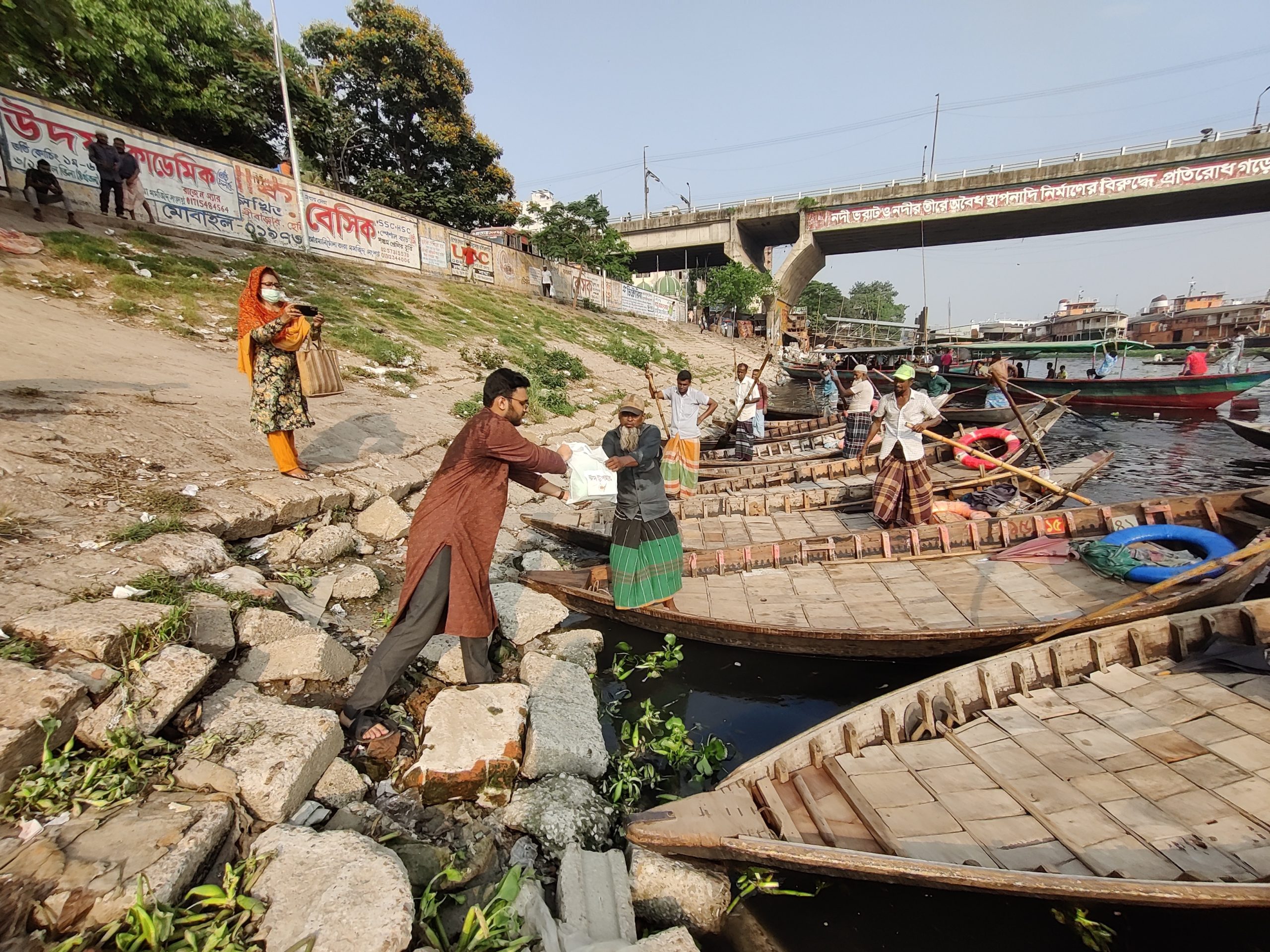
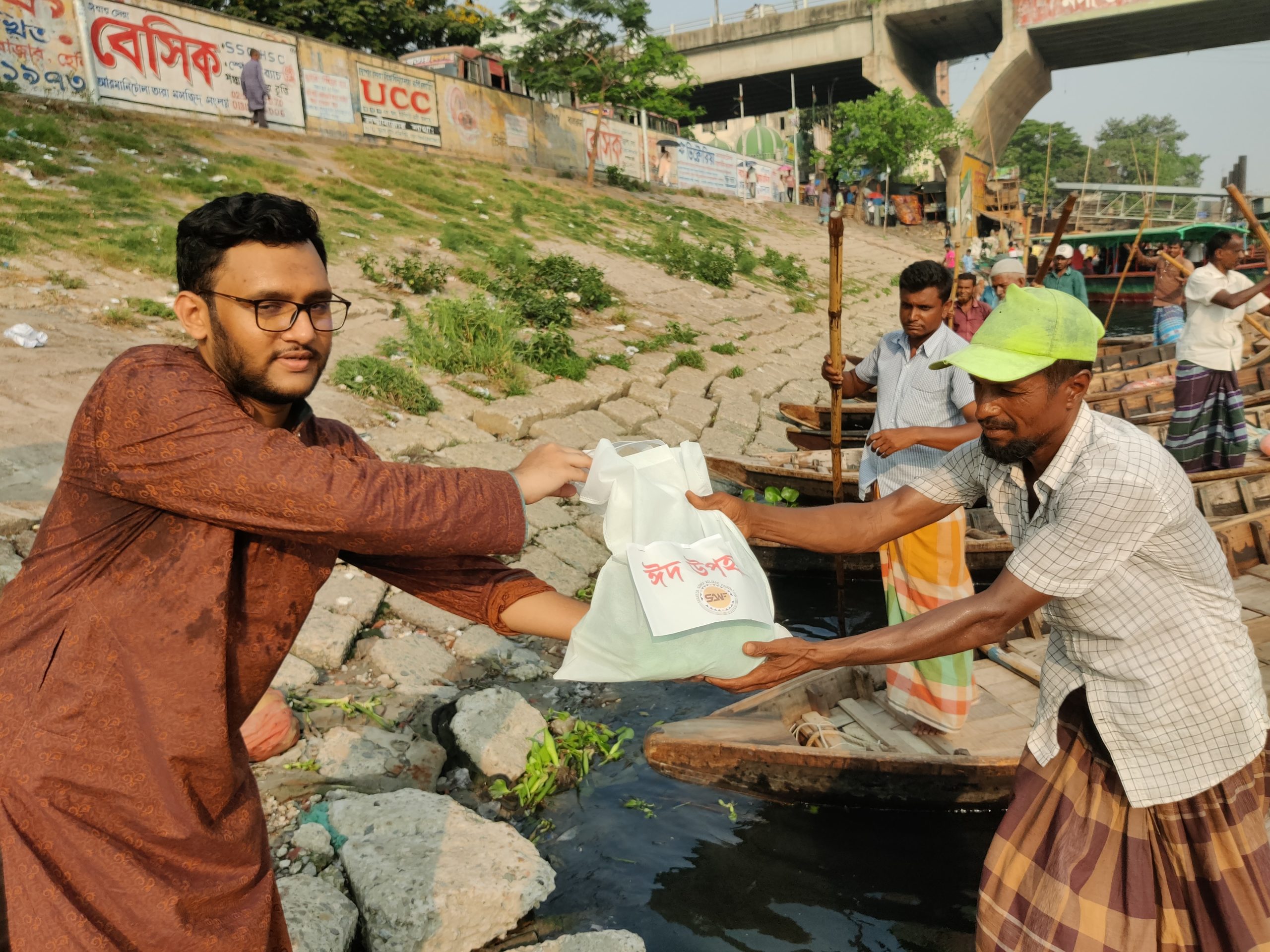
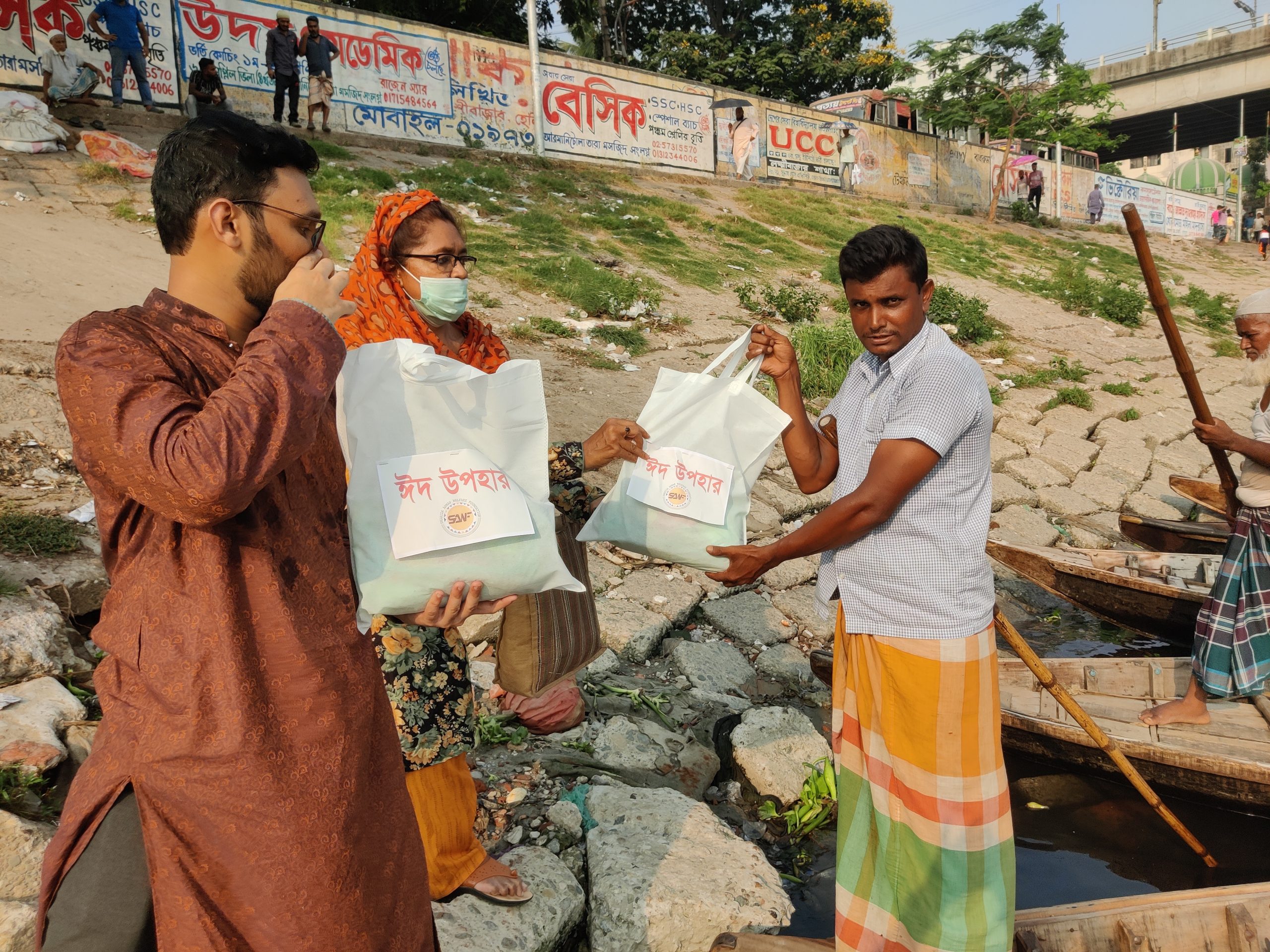
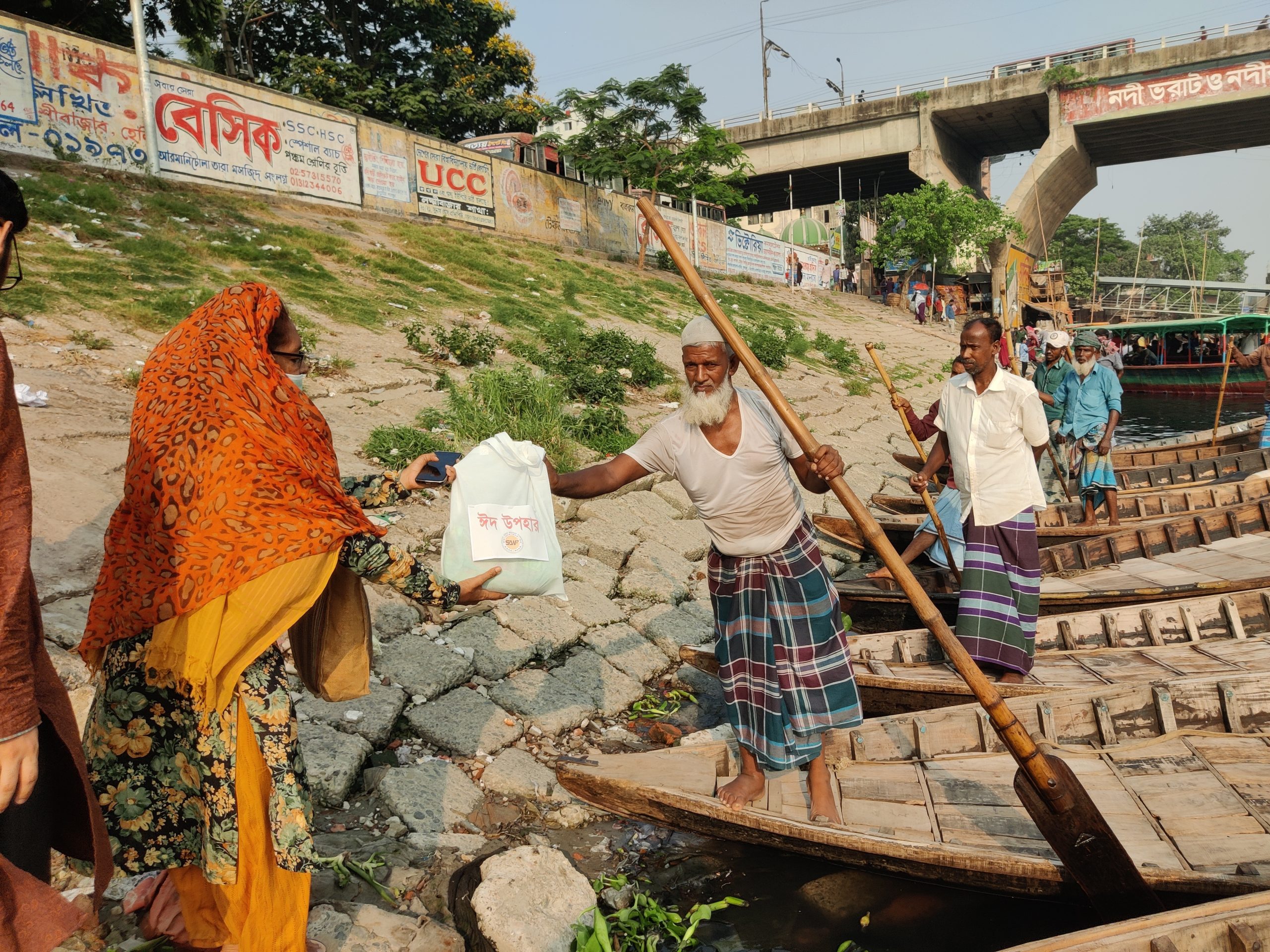
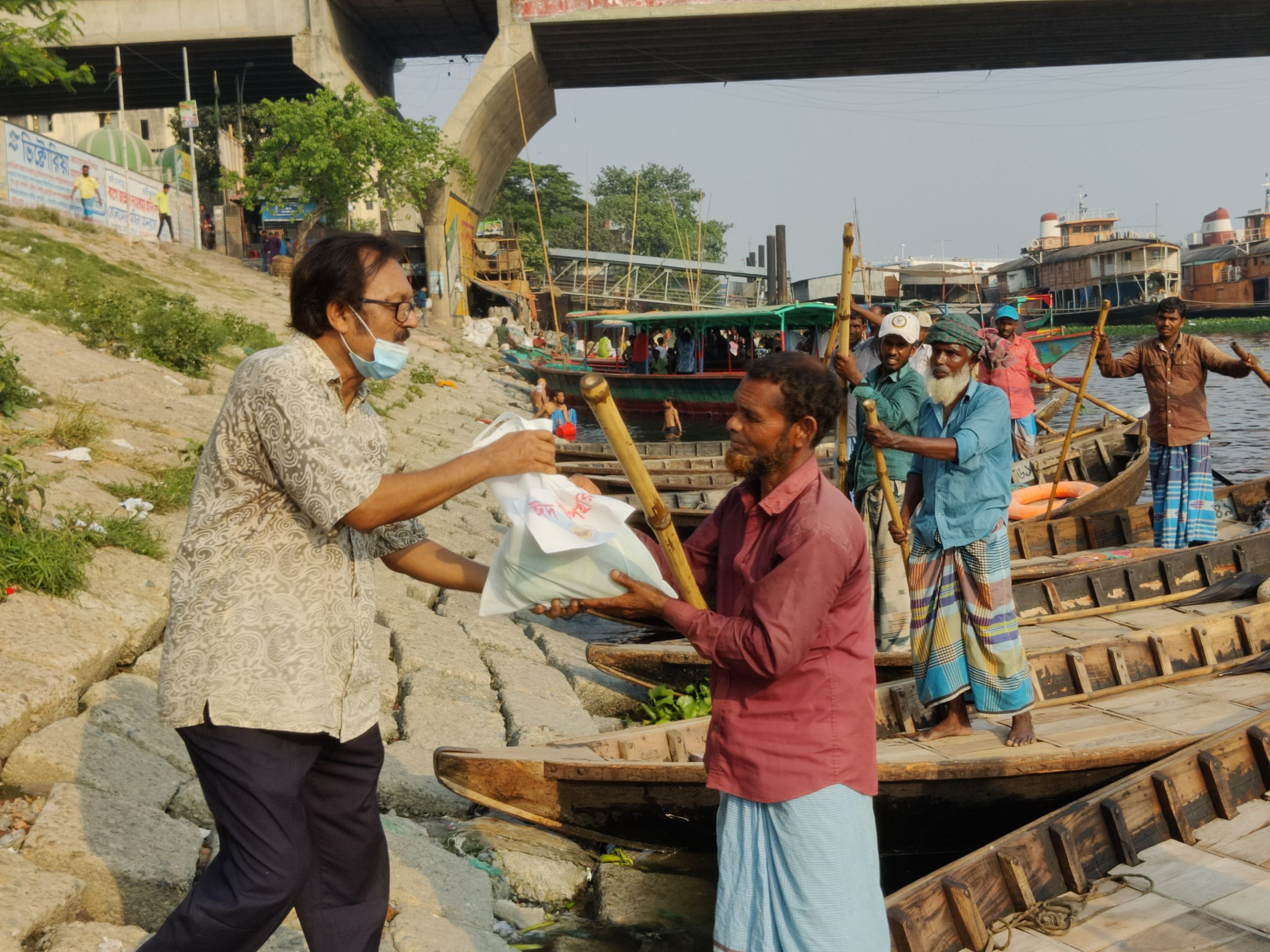
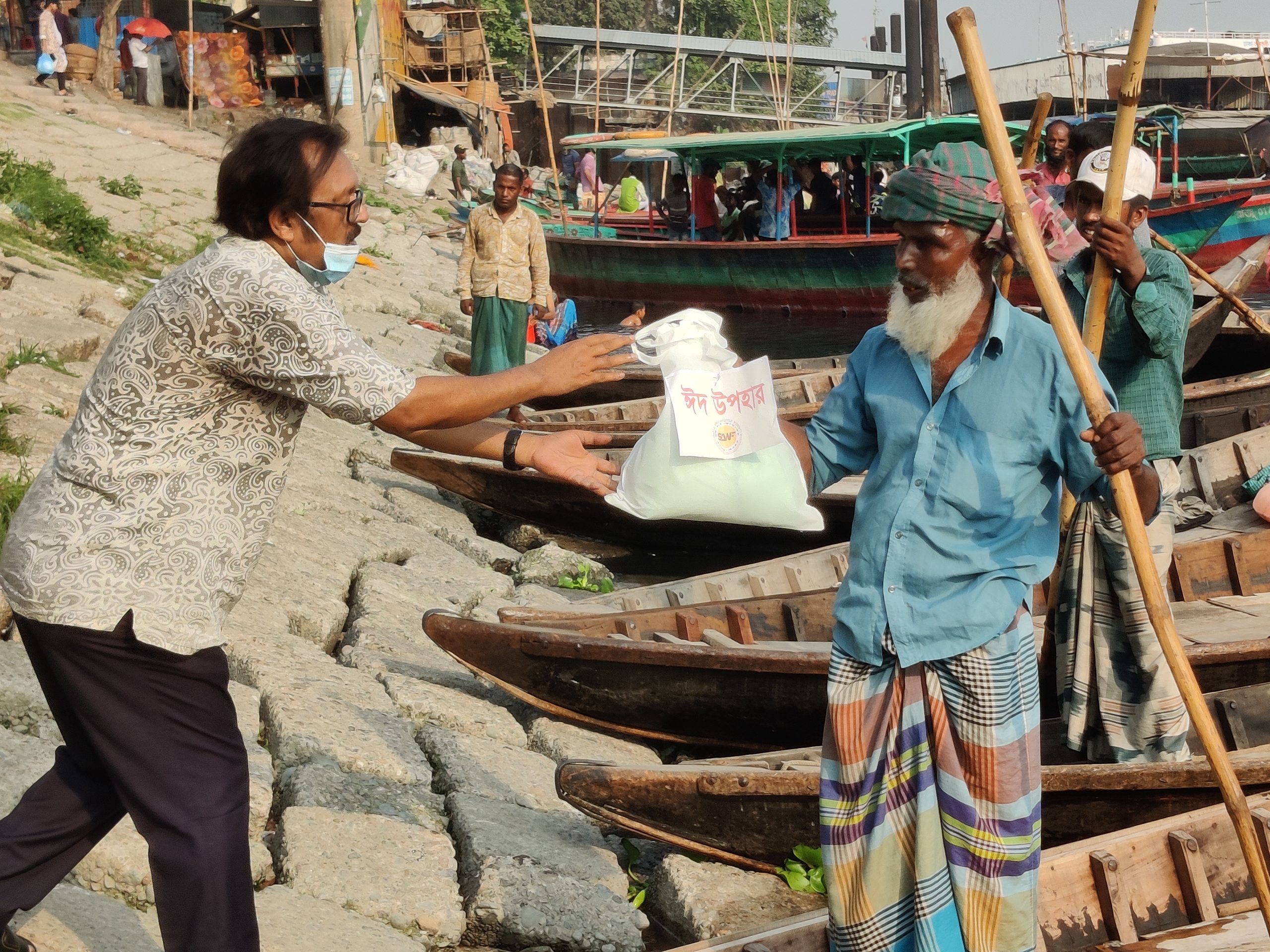
The boatman of Kheyaghat waits by being tied to a strong bamboo pole or sometimes propped up by a logi bench. When the passenger arrives, take the boat and run to the other side. The sound of splashing water is very dear and familiar to them. He ran from side to side listening to this sound all day long. Kheyaghat is near the Dhaka end of the Babuganj Bridge built on the Buriganga. Even though the bridge has been built, the Khayaghat is still in operation. But the crossing of people has decreased, the income of boatmen from the neighborhood has decreased. It’s hard now. Days are spent in poverty due to lack of income. The last three lines of Rabindranath Tagore’s poem ‘Majhi’‘Māyadiha’ōrāji/ baṛahalēāmihaba/ khēẏāghāṭēramājhi’(“Mother if you agree/ When I grow up I will be/ A sailor of KheyaGhat) may have been cherished by these sailors of Kheya boat. Boats are intermingled with life in riverside Bangladesh. Due to gradual expansion of roads, railway communication, decrease in navigability of rivers, etc., there has been a decline in water communication. Over time, waterways have disappeared as riverbeds have become overgrown and inland tributaries have become arable land. Sailors are losing their jobs.
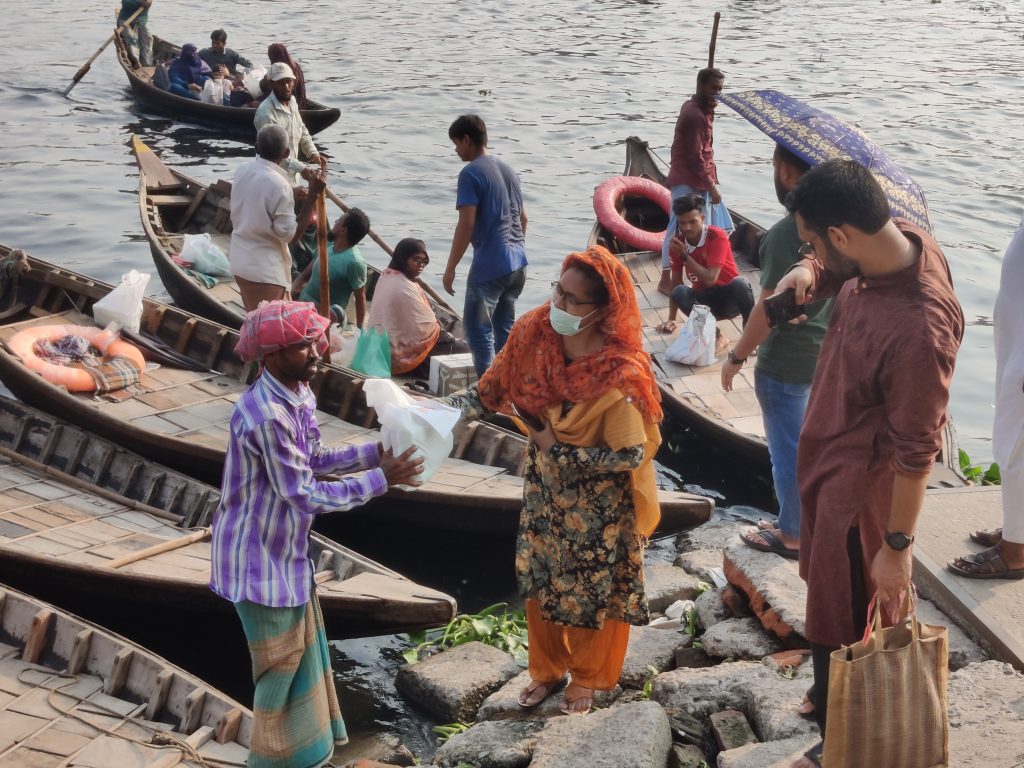
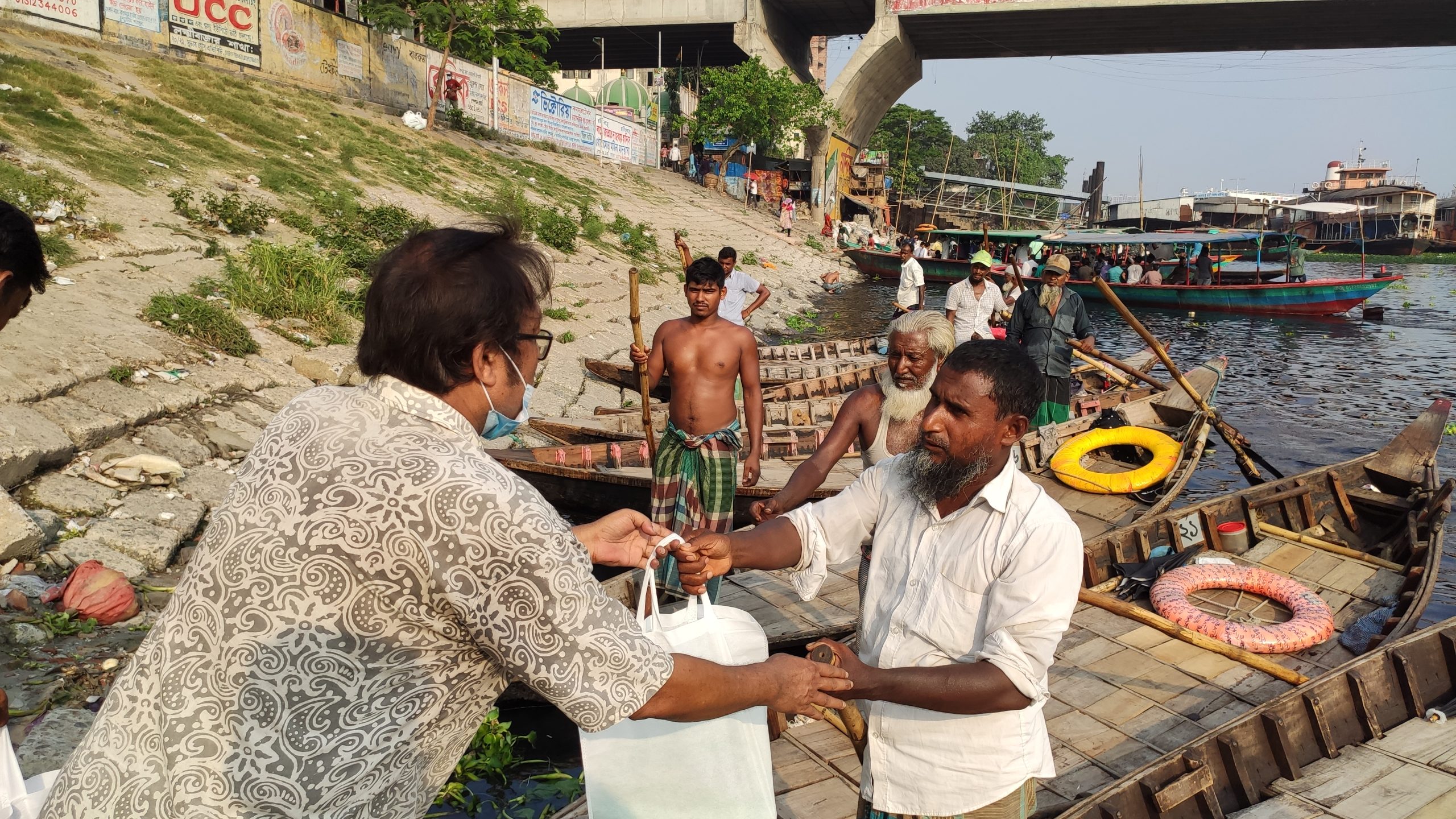
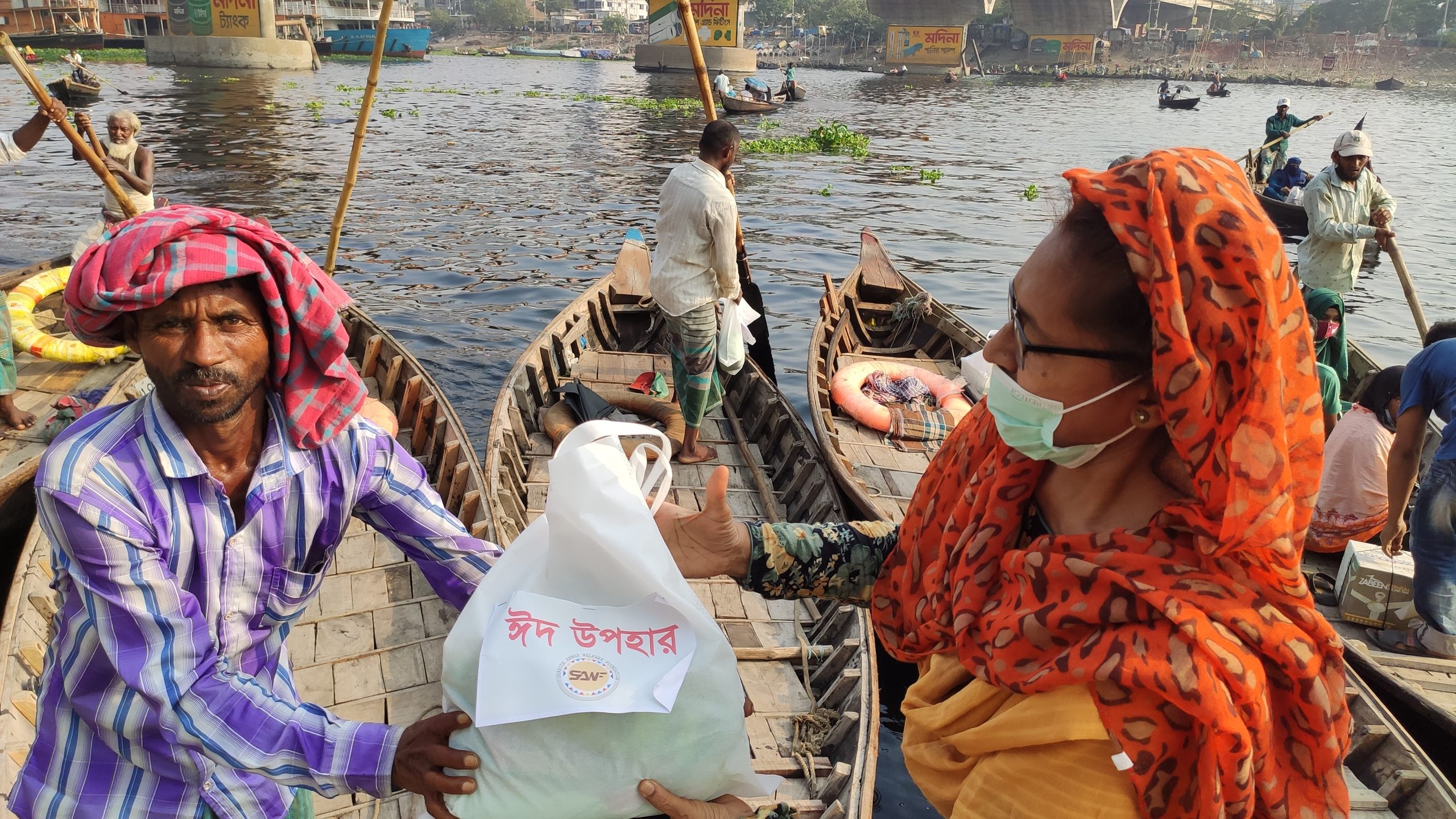
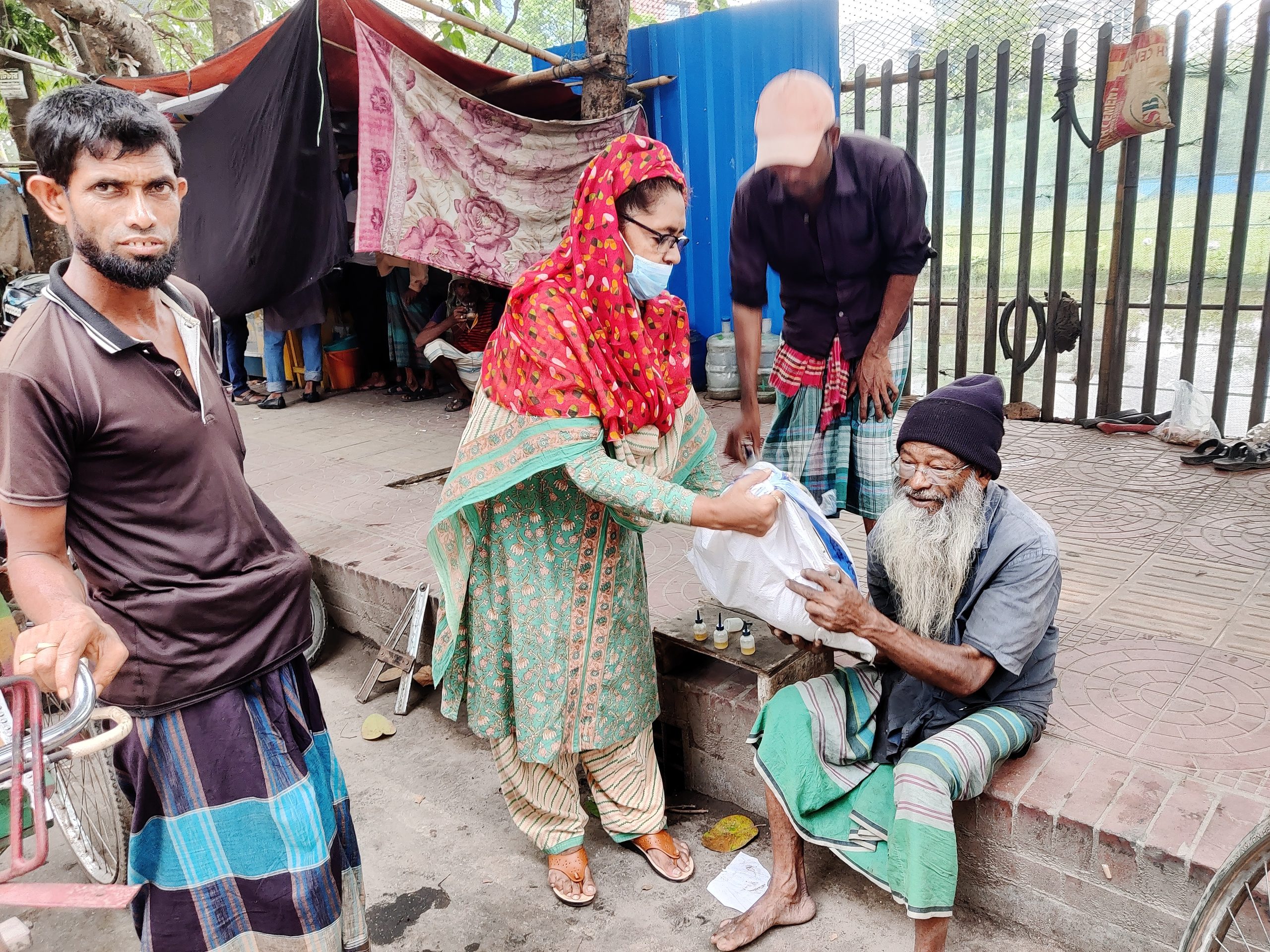
Shahida Khatun, Chairman of Shahida Anwar Welfare Foundation, gives Eid gifts to the sailors of Kheyaghat.
Now the colorful sailing boats loaded with goods are not seen very much on the river. So now the songs of Majhimalla and the pull of Bhatiali do not come from far away. “Shahida Anwar Welfare Foundation” next tosailors of Kheyaghat.
]]>https://shahidaanwar.org/index.php/2023/05/03/hello-world-6-2-2-2/feed/0The Barber
https://shahidaanwar.org/index.php/2023/05/03/hello-world-6-2-2/
https://shahidaanwar.org/index.php/2023/05/03/hello-world-6-2-2/#respondWed, 03 May 2023 11:28:06 +0000https://shahidaanwar.org/?p=1568Continue reading The Barber]]>
The Barber
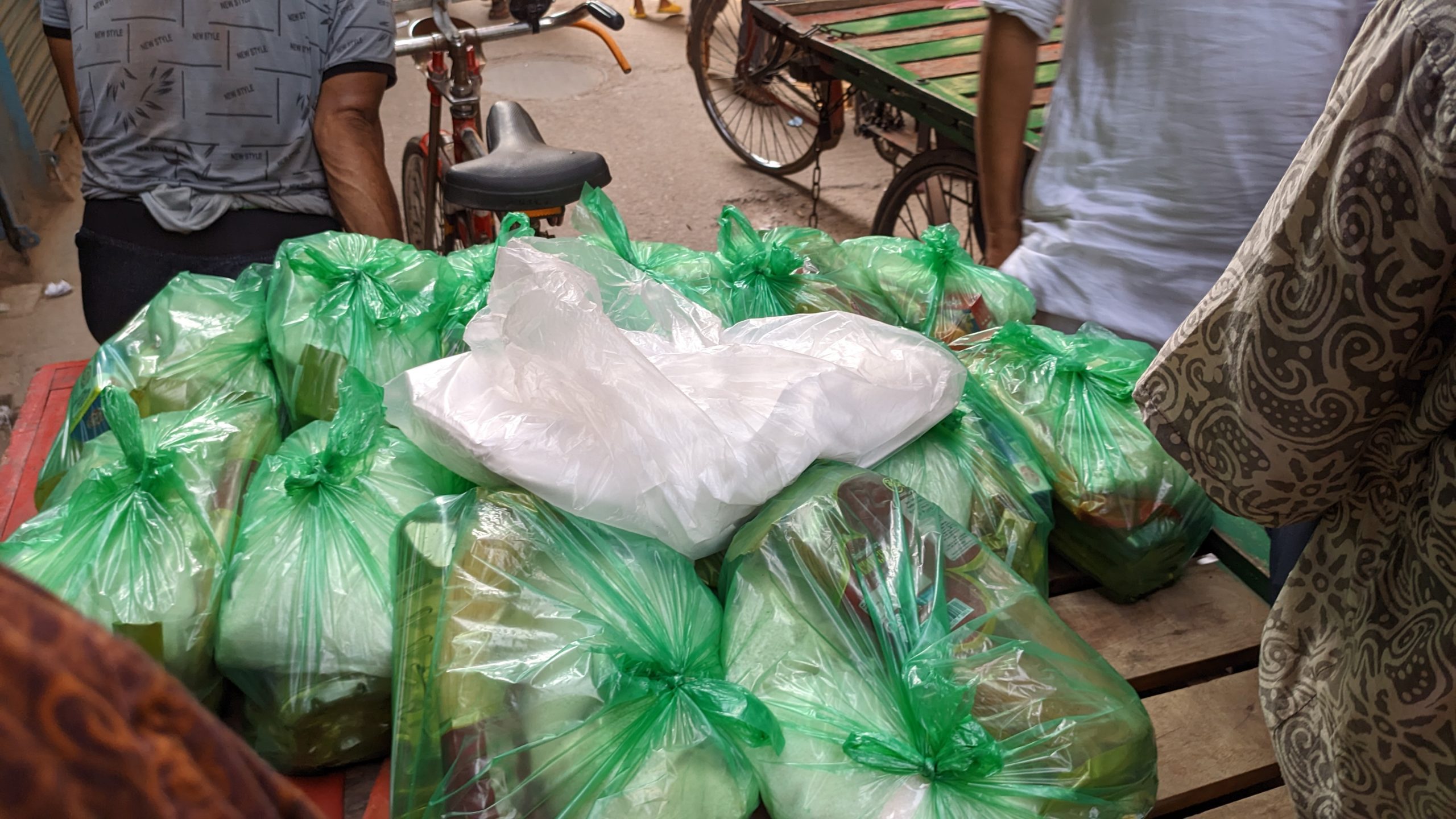
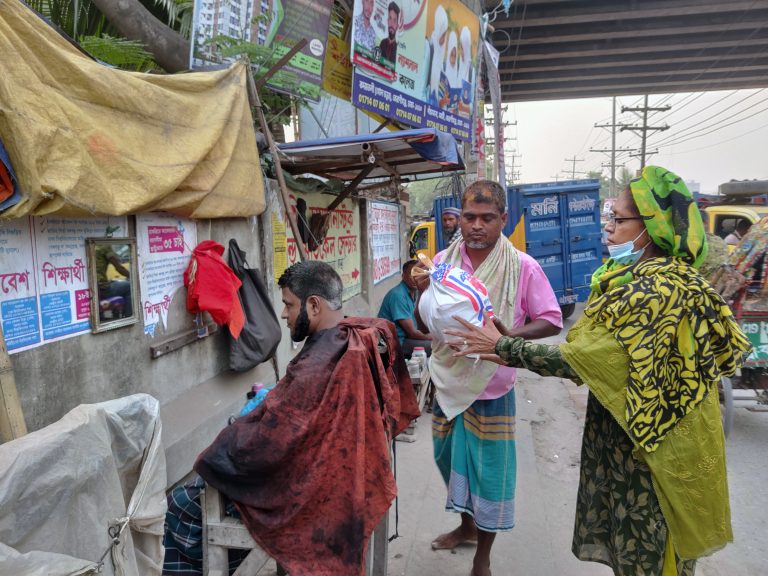
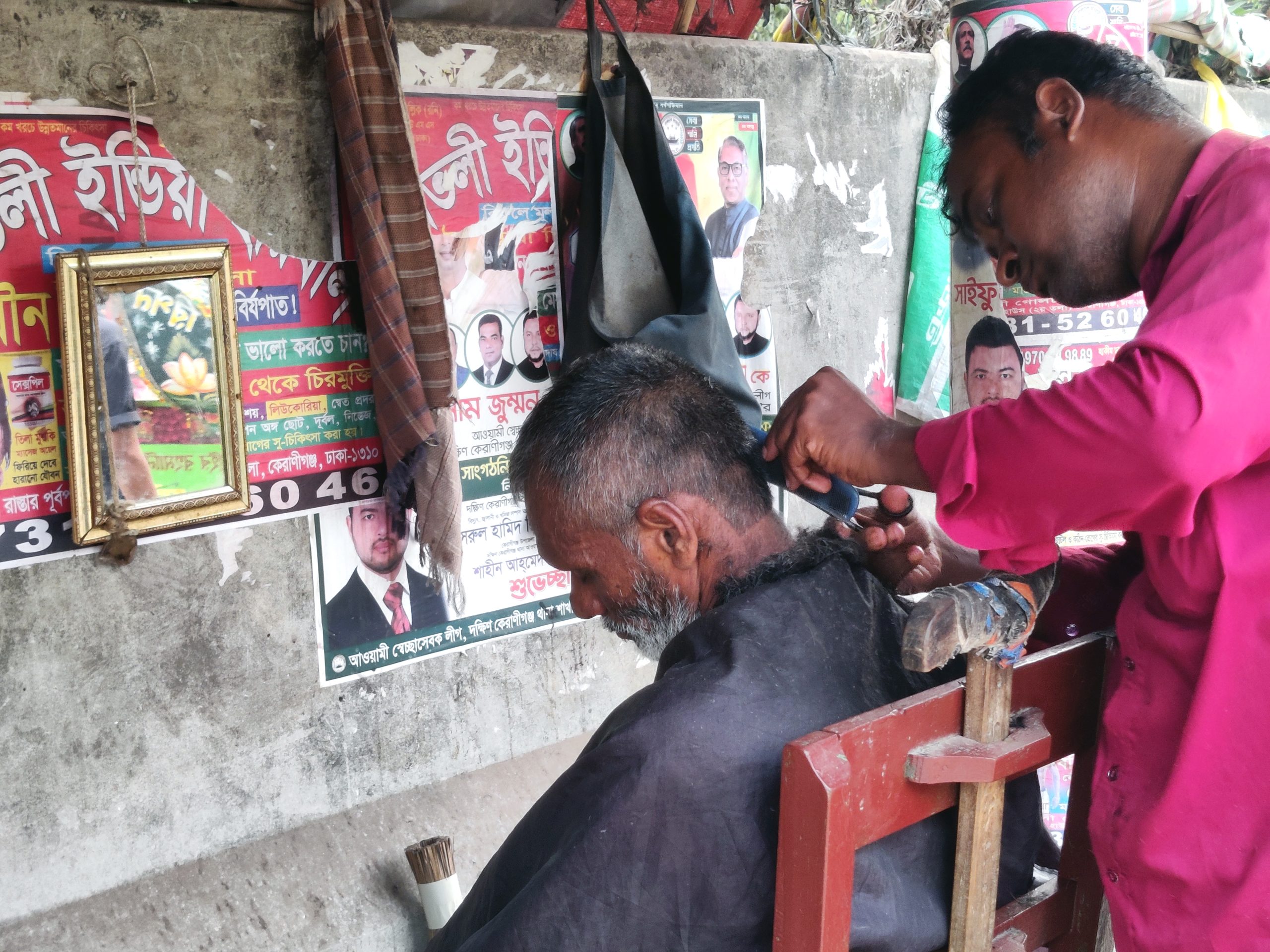
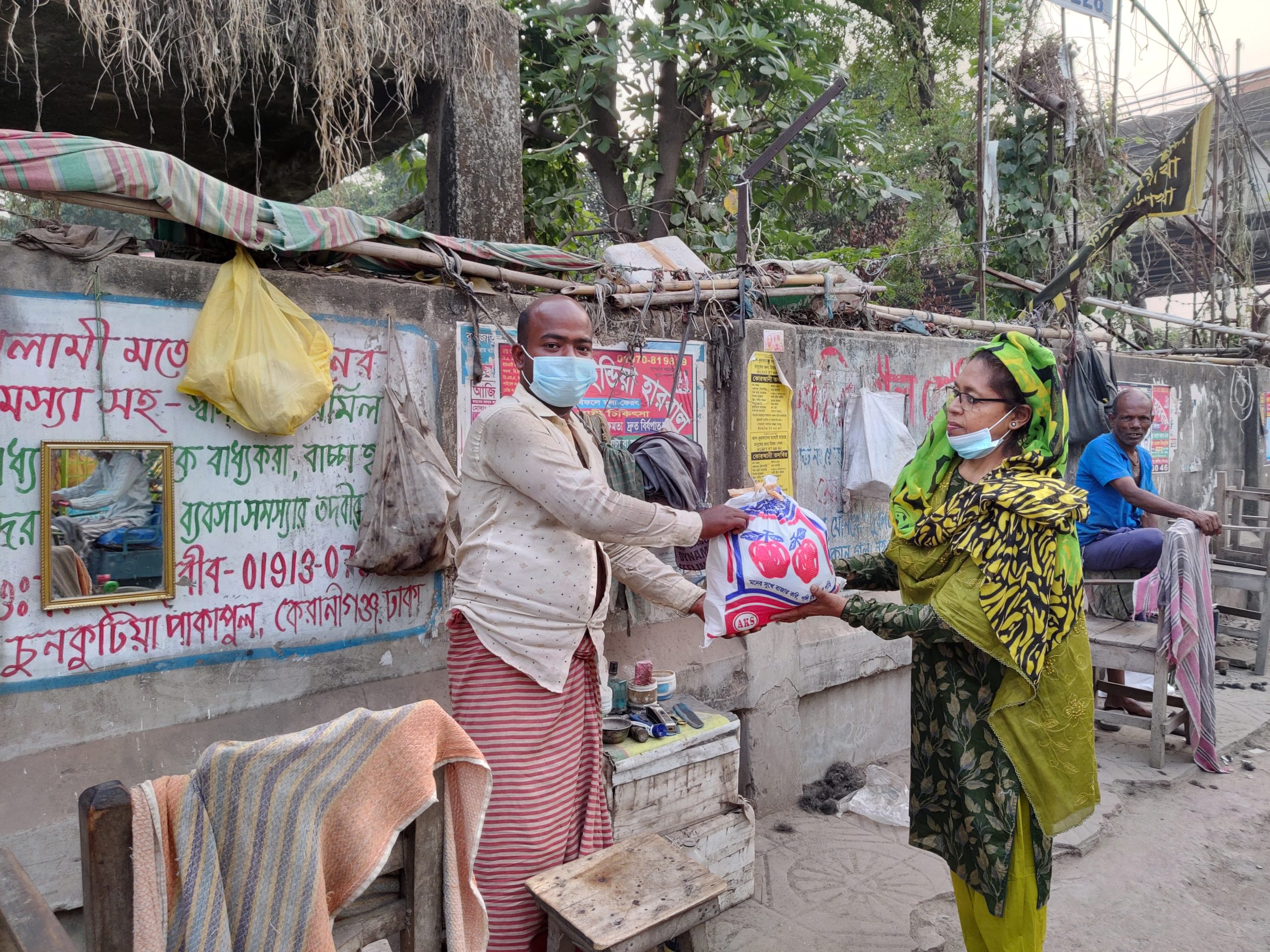
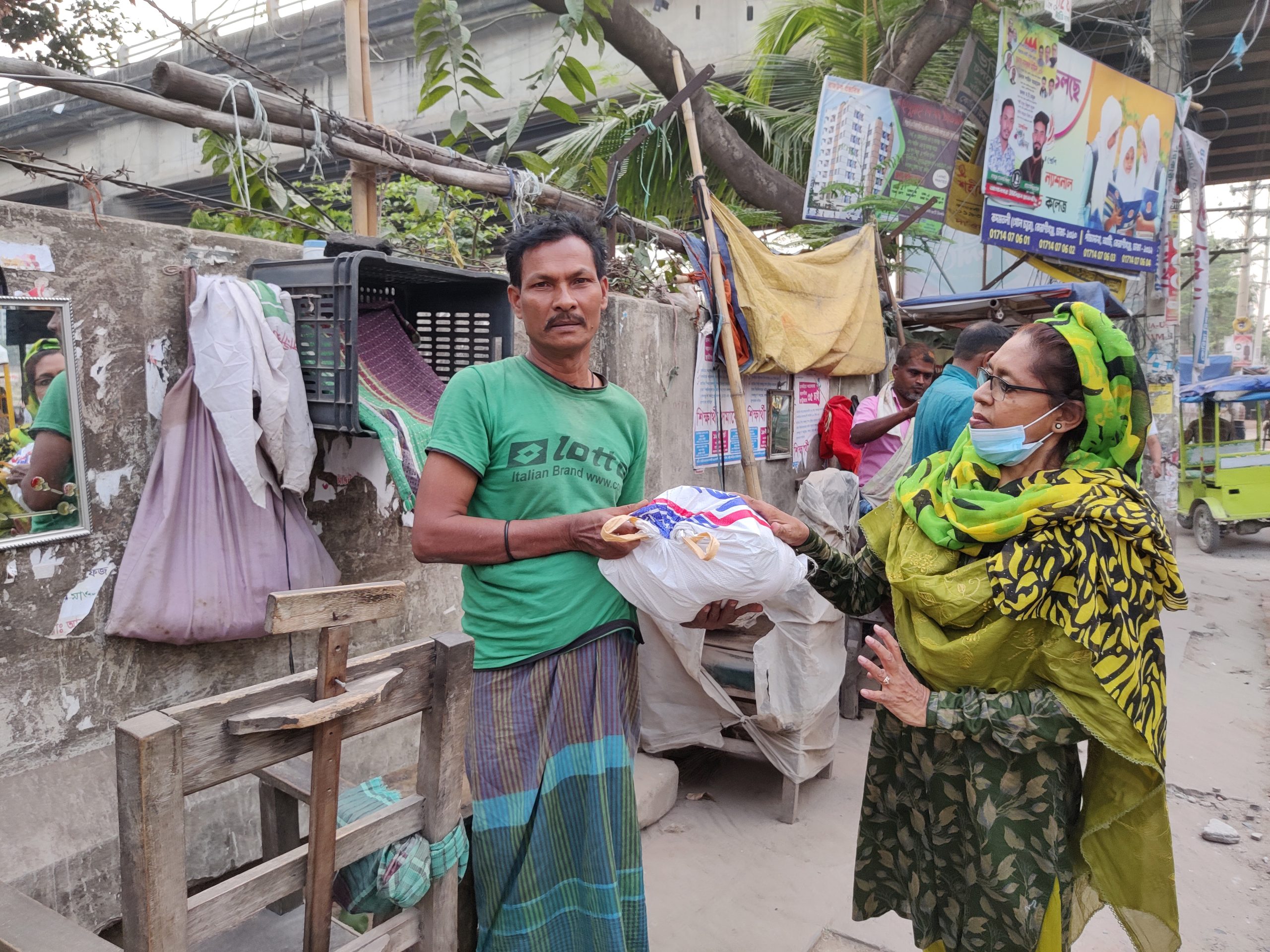
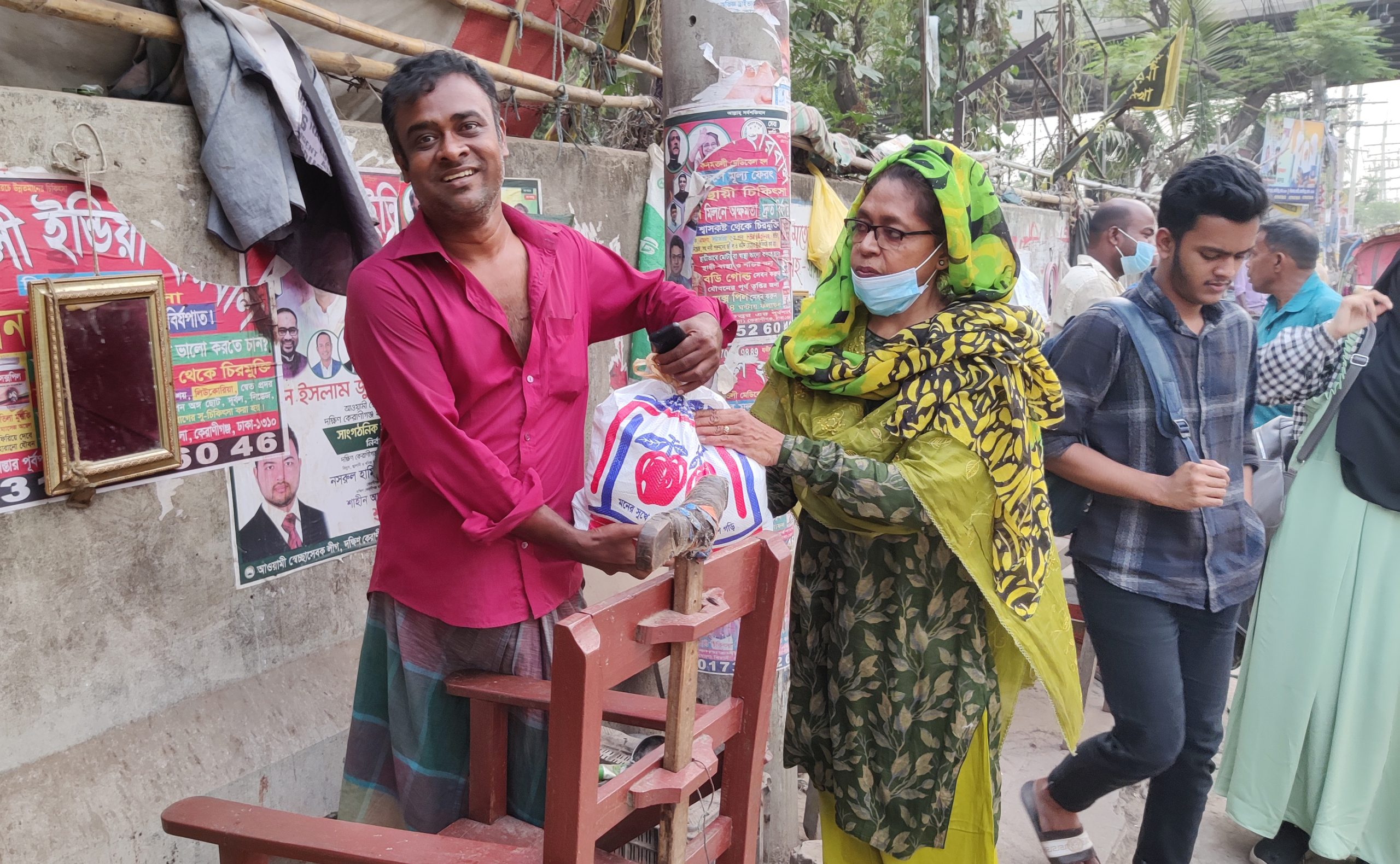
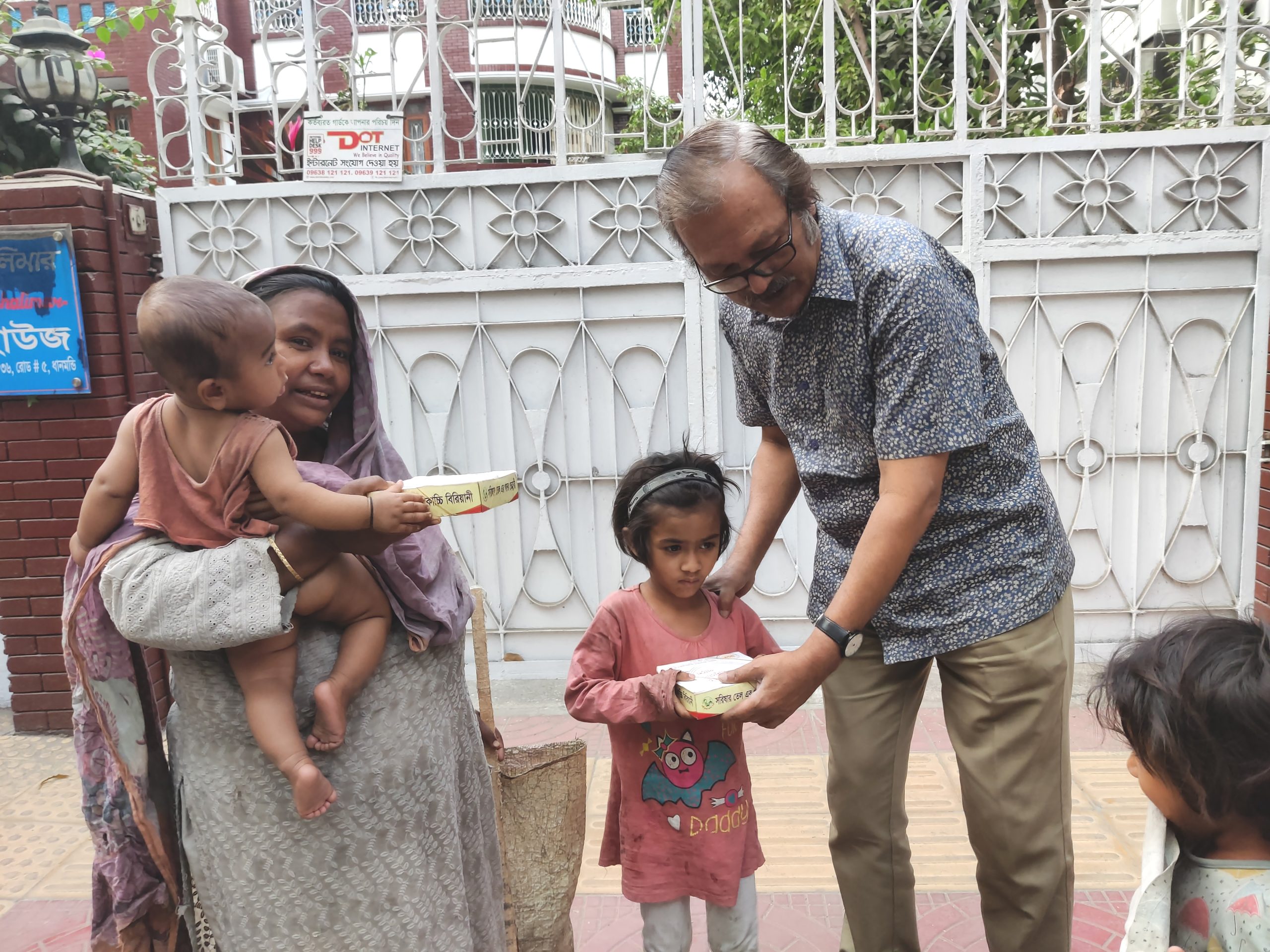
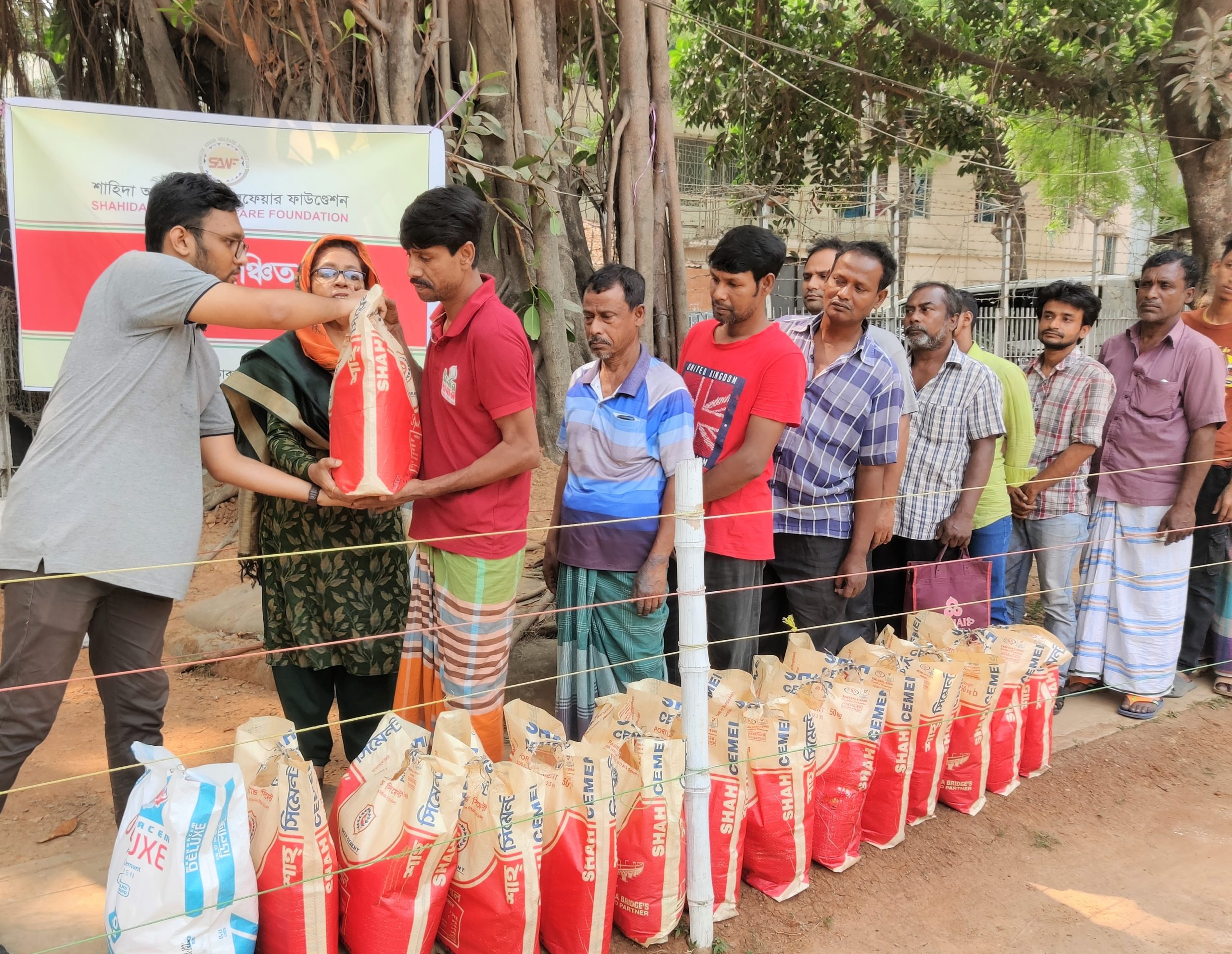
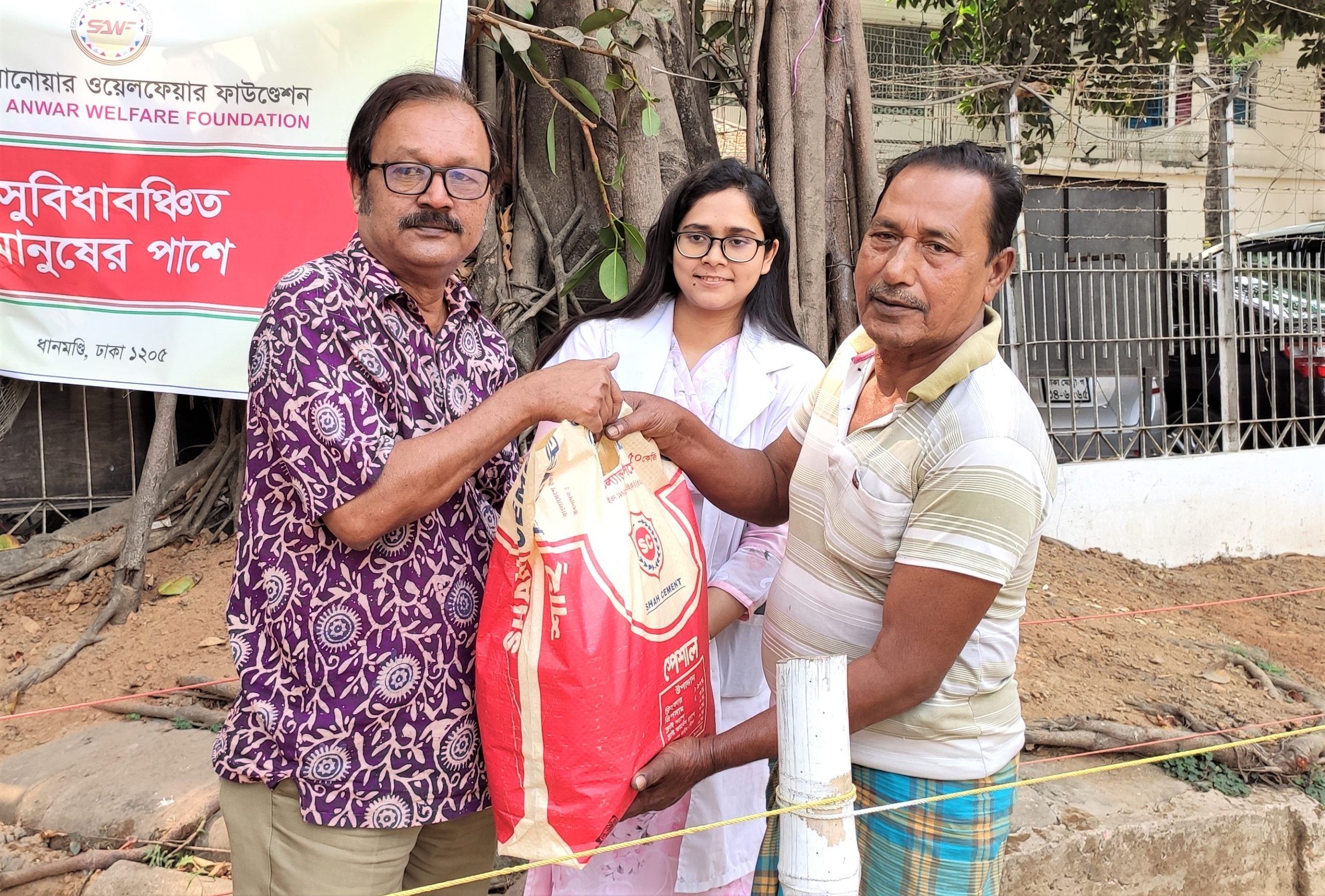
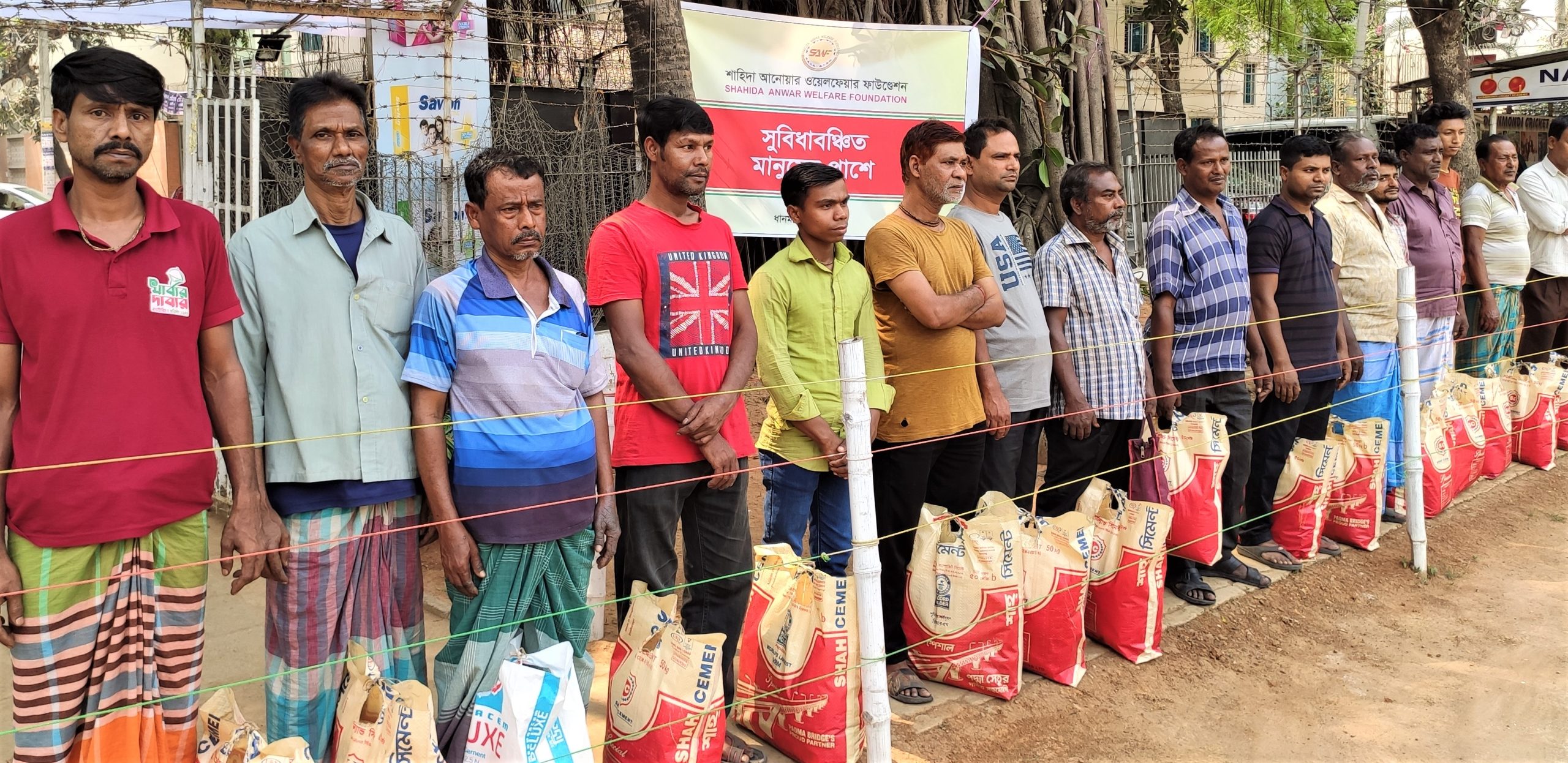
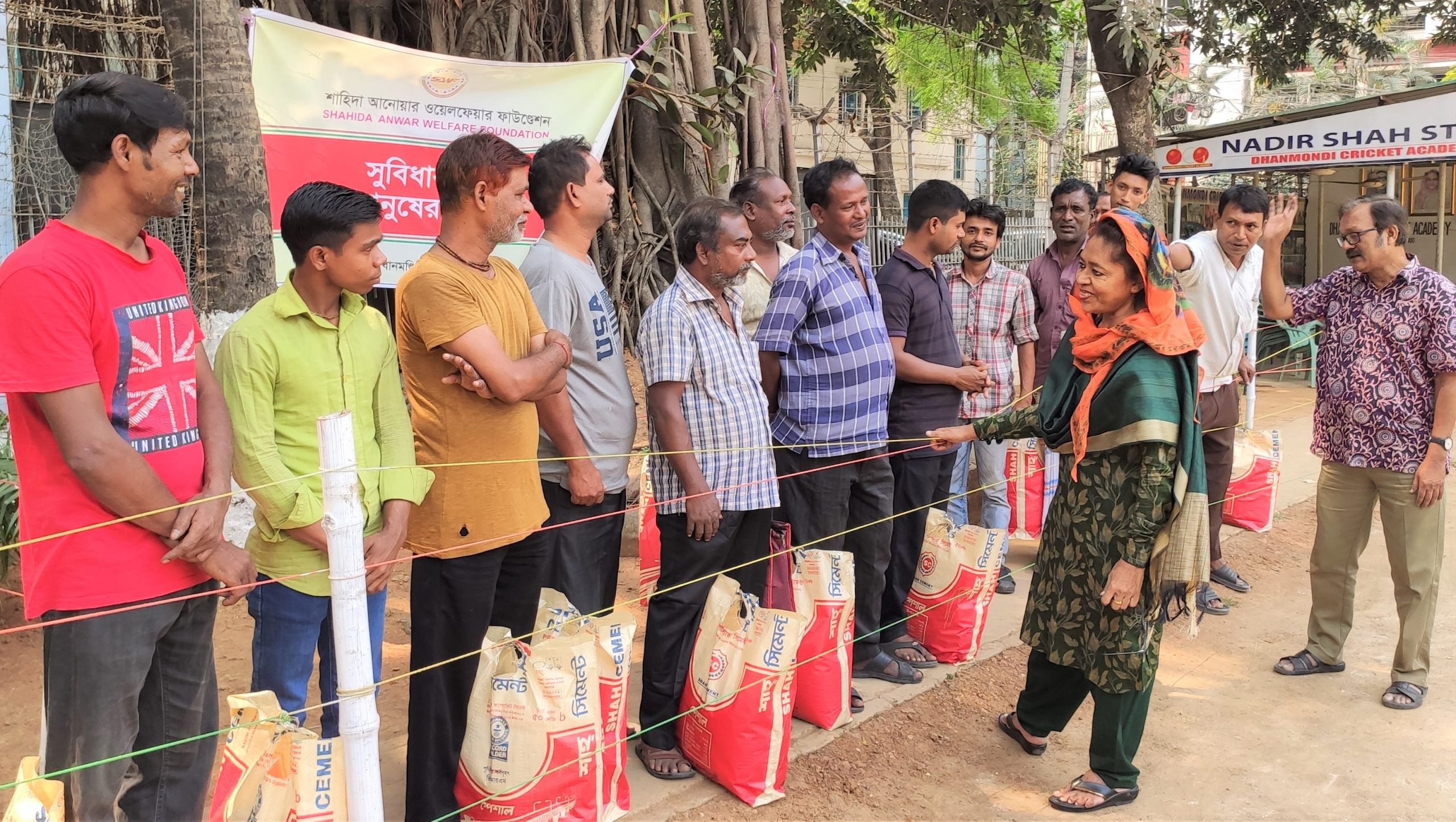
Shahida Khatun, chairman of Shahida Anwar Welfare Foundation, is distributing food items among the under privileged barber community.
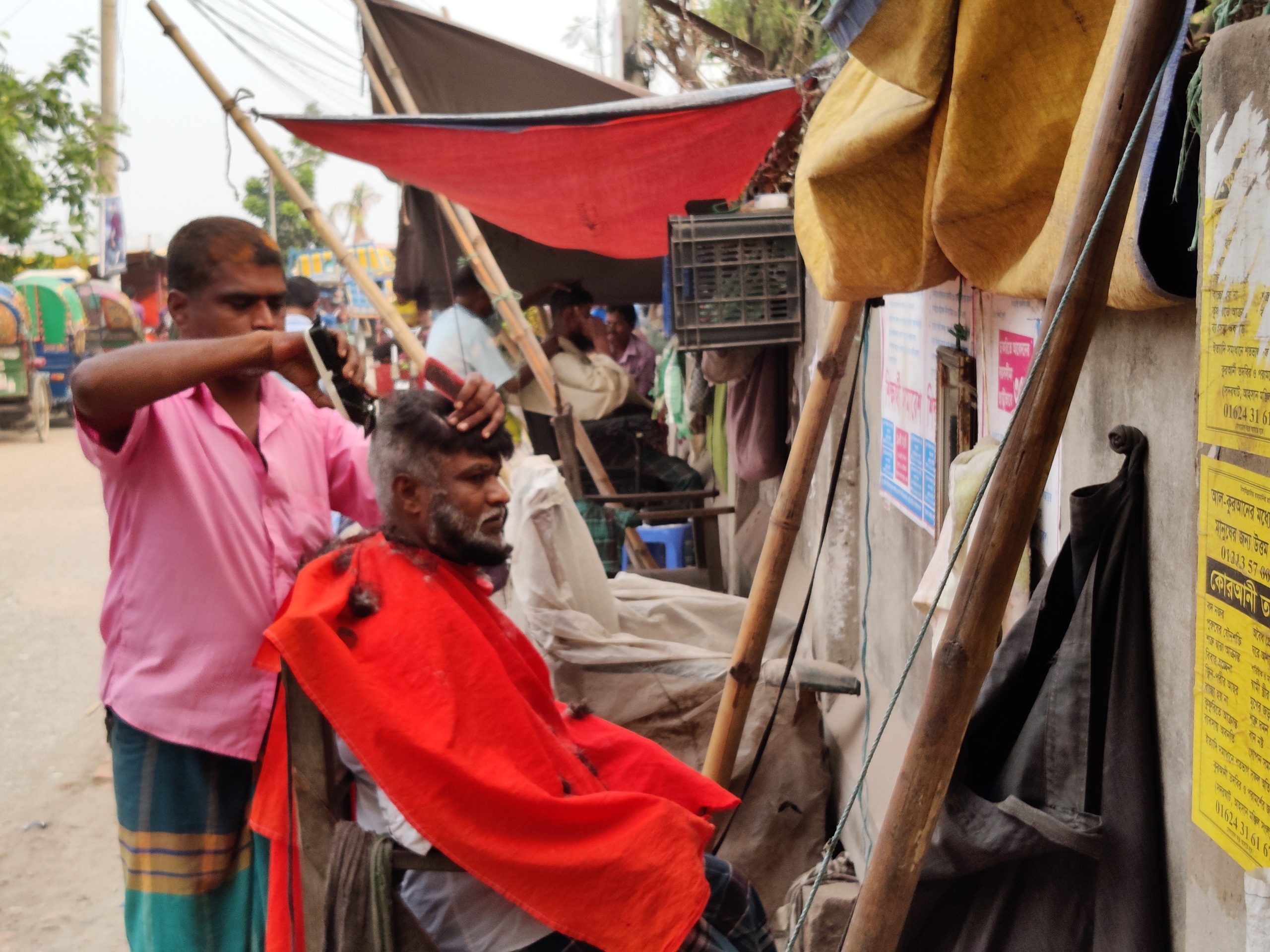
Hair is one of the ingredients of human beauty. There is no end to people’s thoughts about hair. Hair, beard trimming is a part of daily routine. That is why the need for professional hairstylists.Earlier, barbers used to cut the hair and beards of the people of the village sitting in the shade of banyan trees in the bazaar, in the streets, on the footpaths or on the bricks arranged on the streets of the villages. Such a familiar scene is not seen often anymore. Barbers were seen cutting hair/beards lined up on the pavement next to Kheyaghat near the Babubazar Bridge in Keraniganj, near the capital Dhaka. For those of us who spent our childhood in the villages, this scene will surely haunt our memories.Barber or Sheel or Narasundar have been holding this profession for generations. Narsundar is a class of professions who in the old fashion hang mirrors on the side of the road and trim people’s hair and shave beards and mustaches in various ways.But in the evolution of modern civilization, the trend of hair stylists has received a touch of innovation. He is doing the work of hair decoration by decorating the shops in the bazaars, cities and ports with modern decorations. What we call salon. Currently, hair, beard cutting tools and equipment have also changed. Salons no longer feature razor blades. It has been replaced by bladed razors, shaving creams, lotions, hair curlers etc.Barbers or barbers who have long been engaged in hair cutting, trimming, shaving, etc., which are important accessories of daily rural life, are now struggling to make ends meet. It is no longer possible to run the family with the income that used to be earned by working in the traditional way. The shortage continues. Although some people are still involved in the oldest traditional profession of barber. The Barber is gradually disappearing. Shahida Anwar Welfare Foundation stands by the few people of this underprivileged community.
]]>https://shahidaanwar.org/index.php/2023/05/03/hello-world-6-2-2/feed/0Floating people
https://shahidaanwar.org/index.php/2023/05/03/hello-world-6-2/
https://shahidaanwar.org/index.php/2023/05/03/hello-world-6-2/#respondWed, 03 May 2023 11:06:24 +0000https://shahidaanwar.org/?p=1529Continue reading Floating people]]>
Floating people
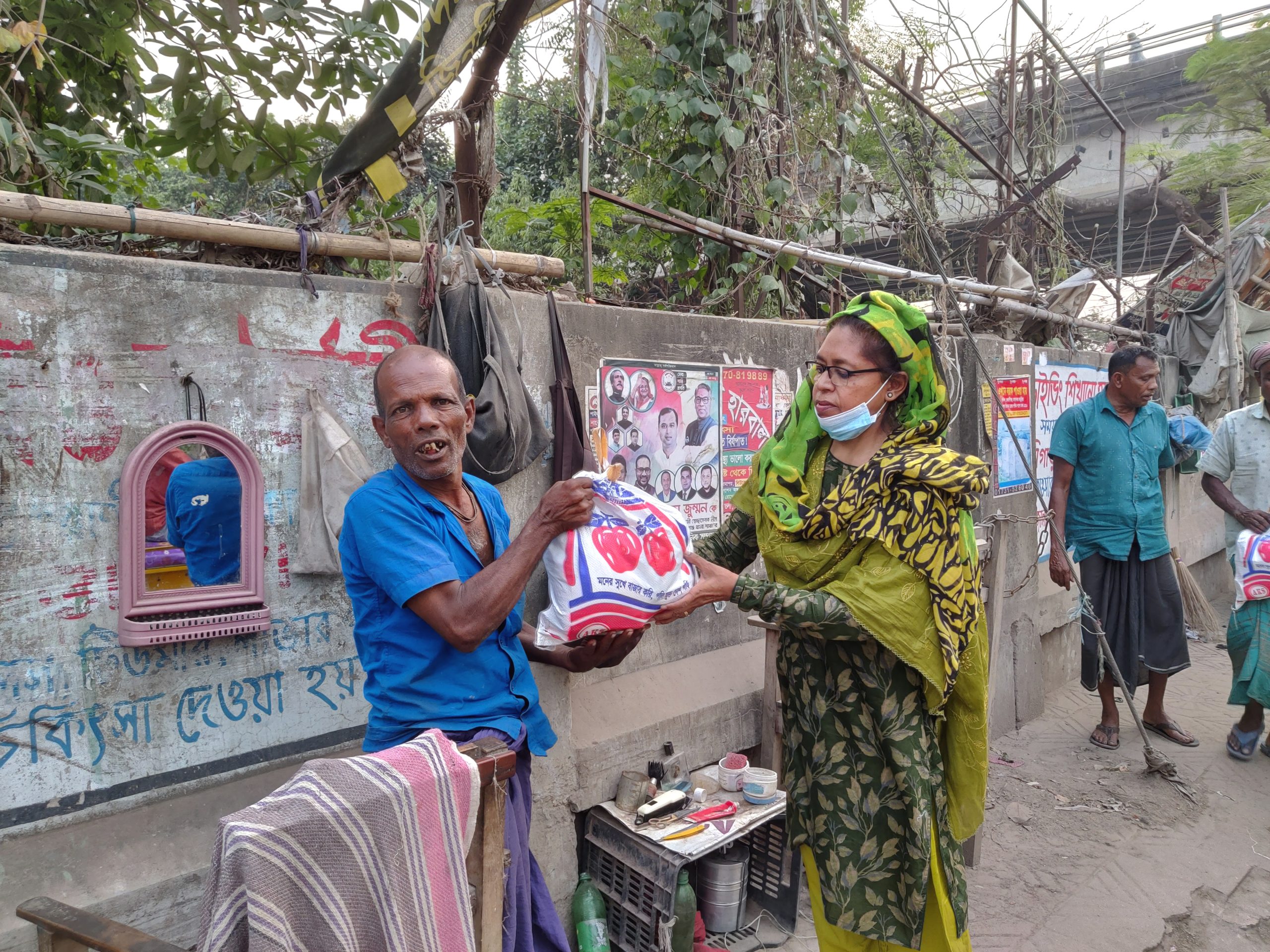
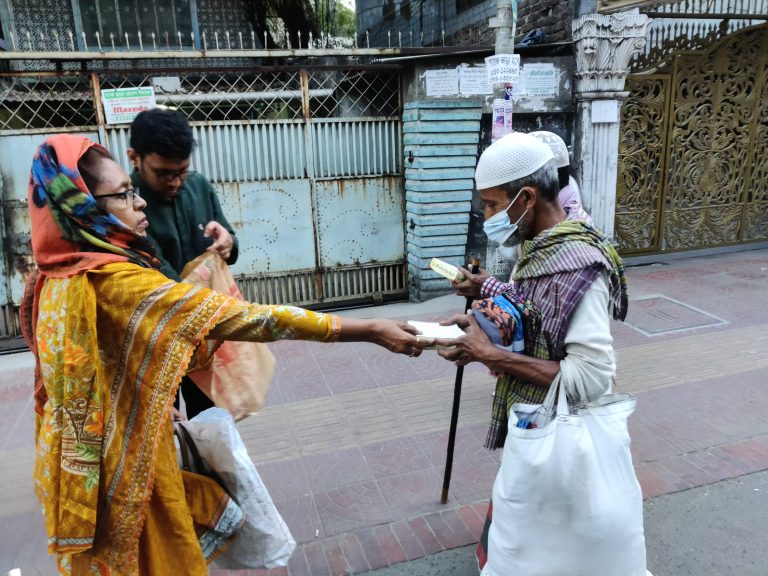
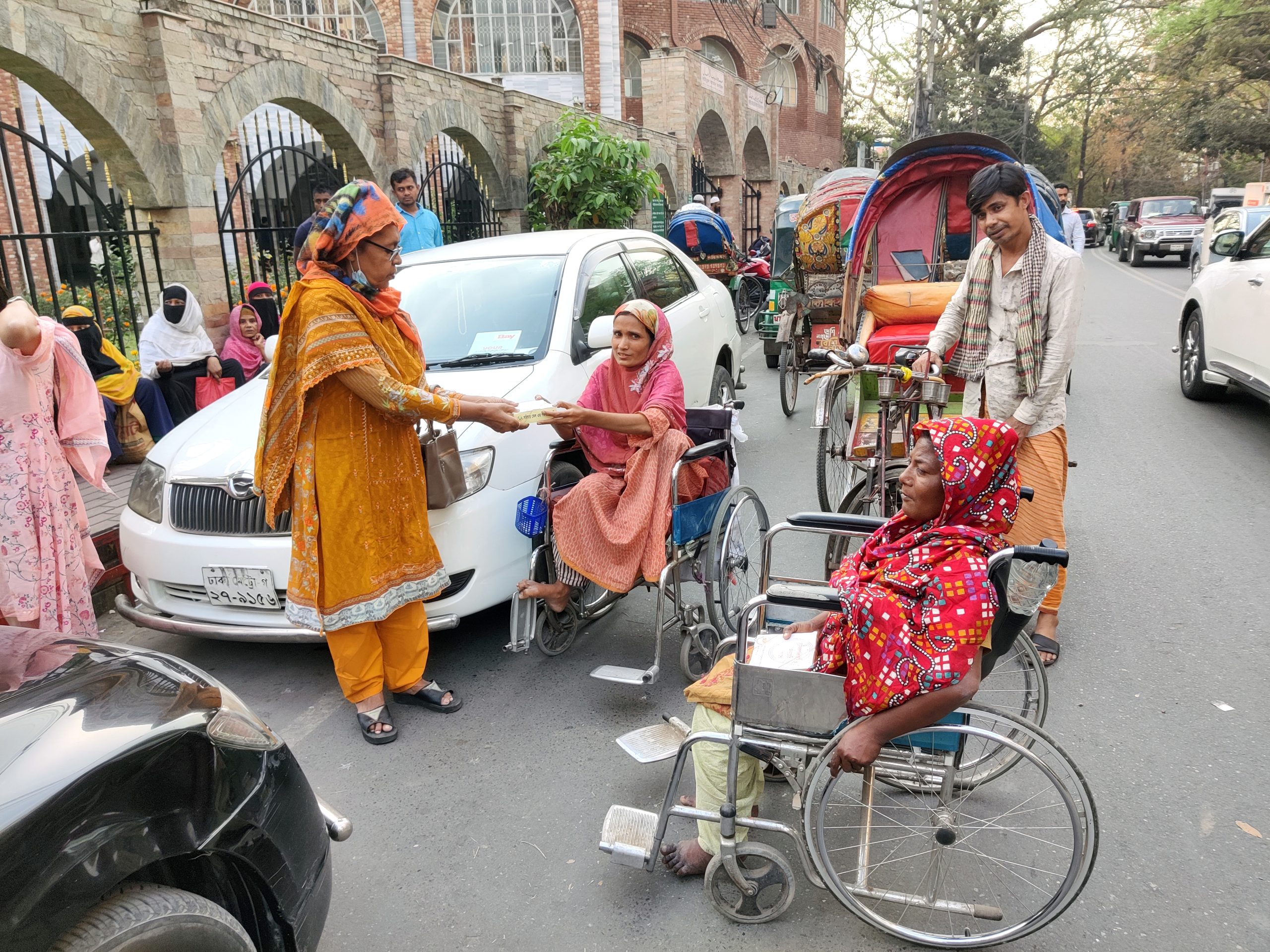
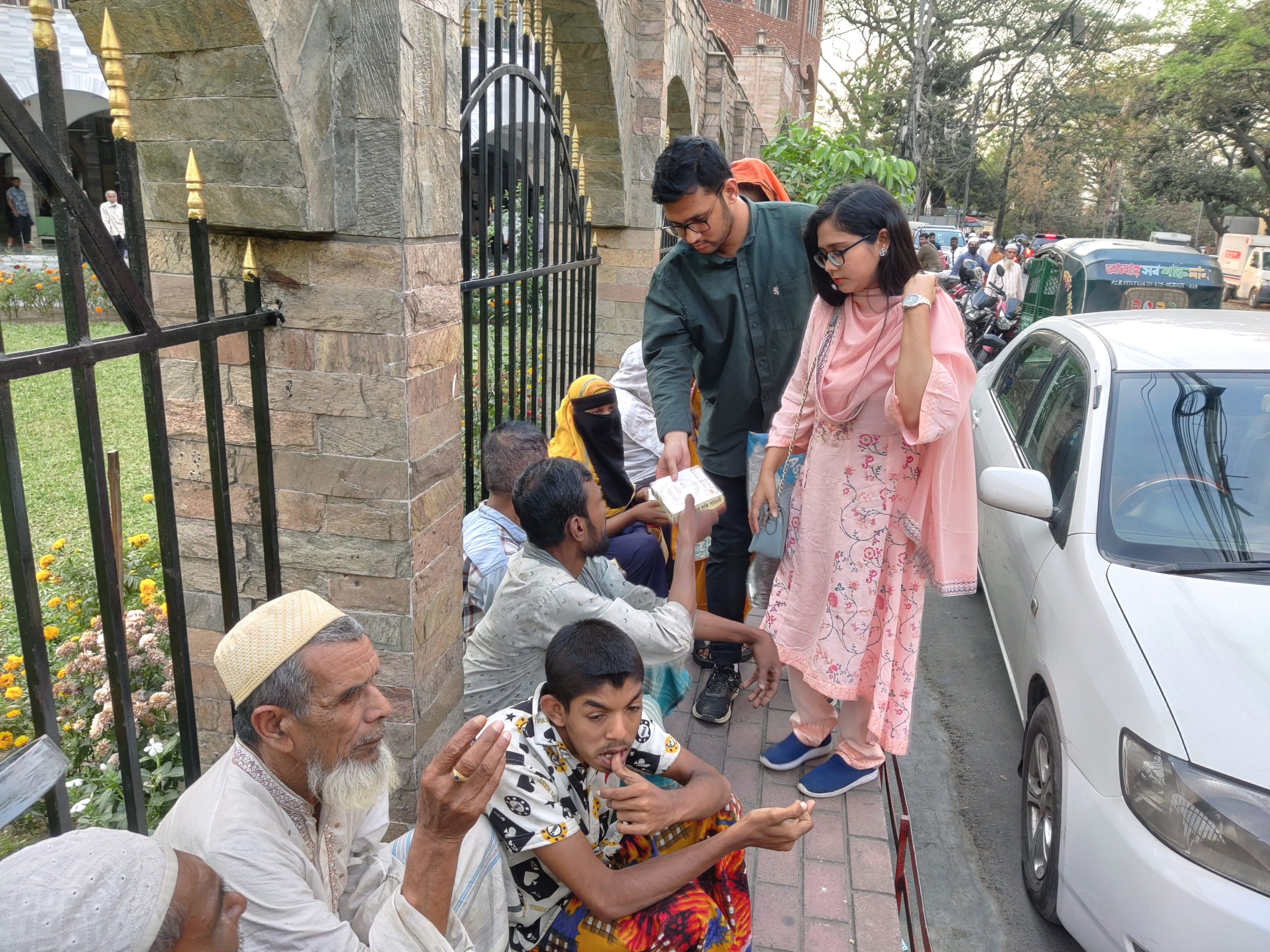
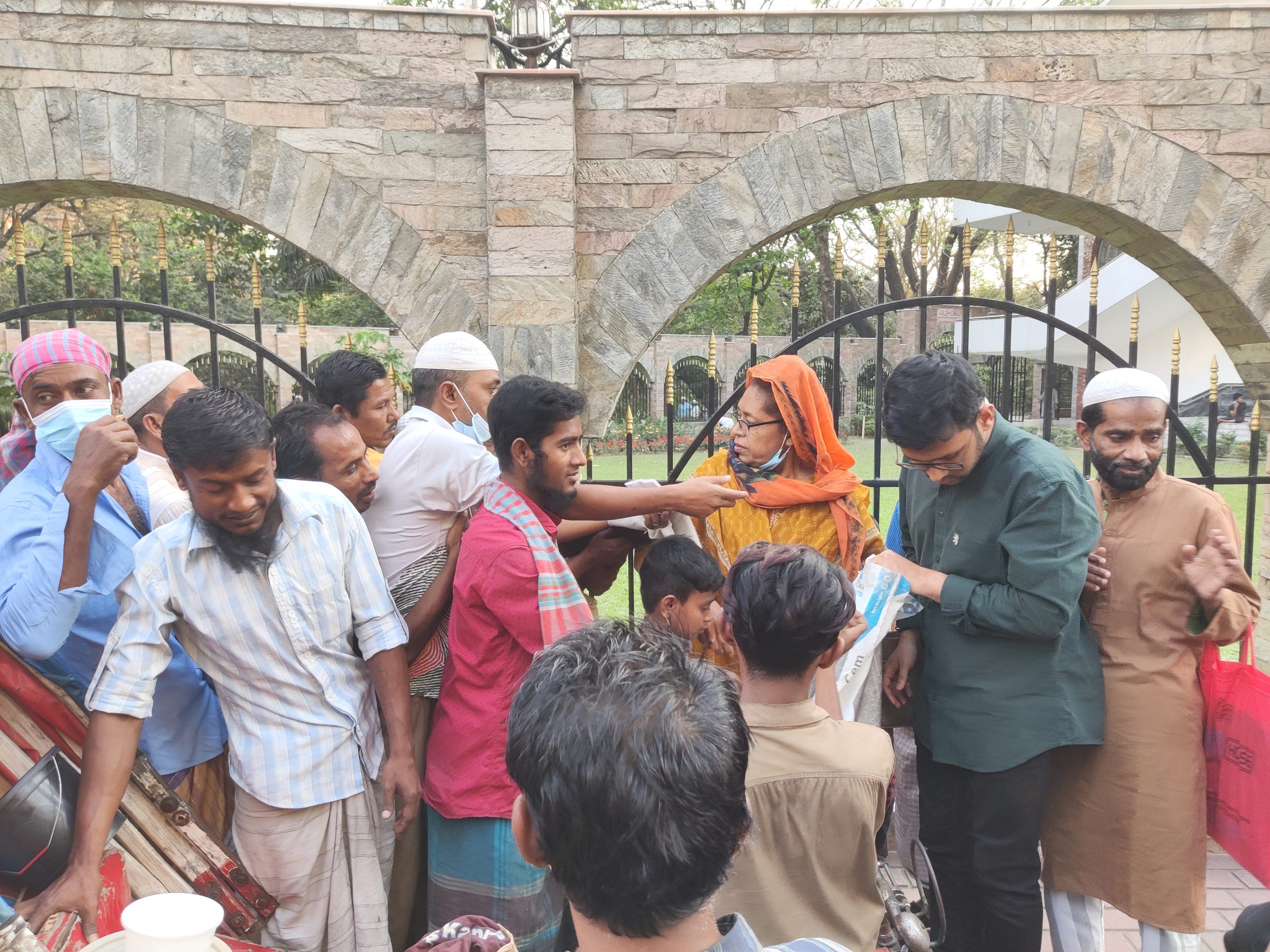
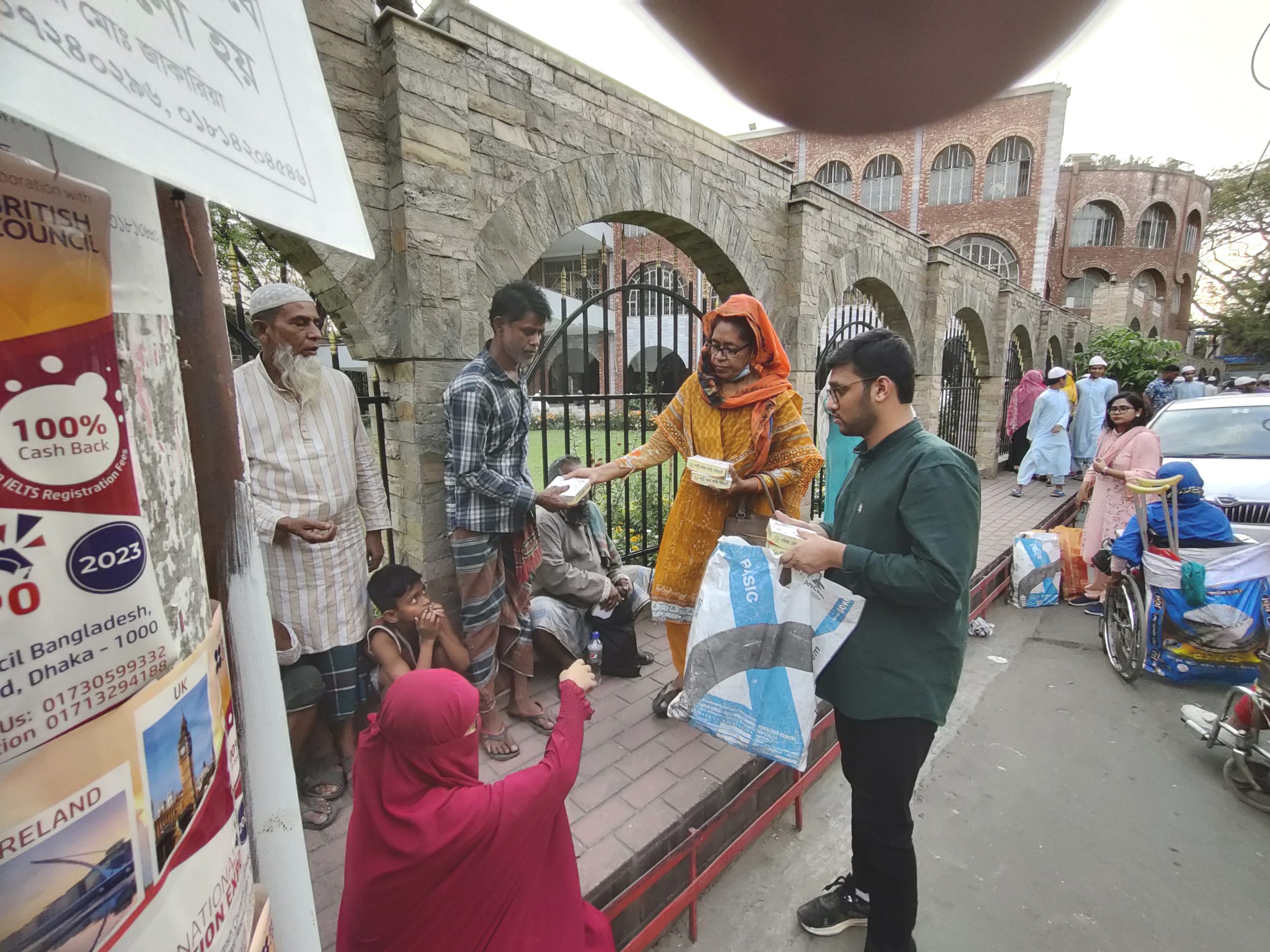
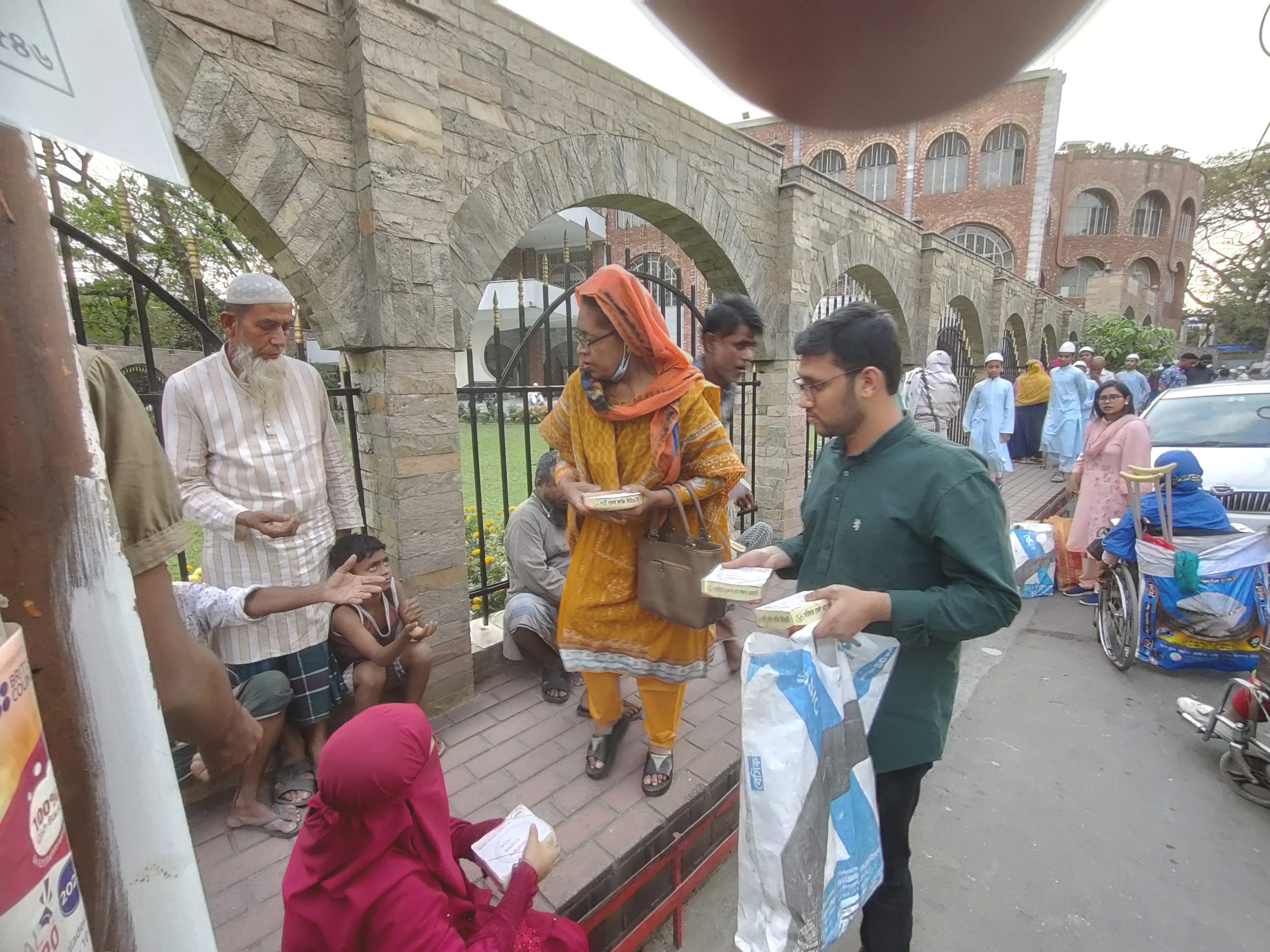
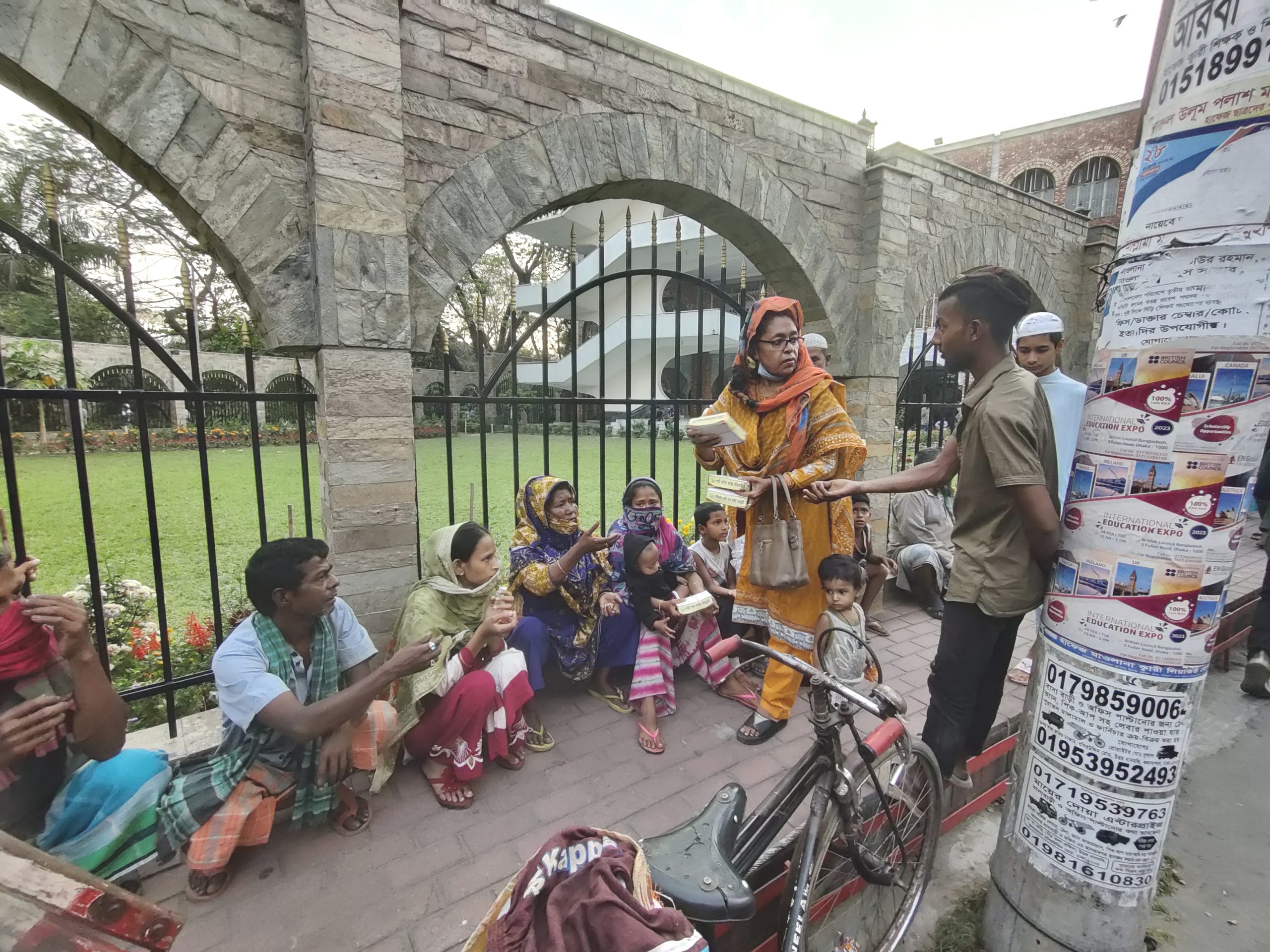
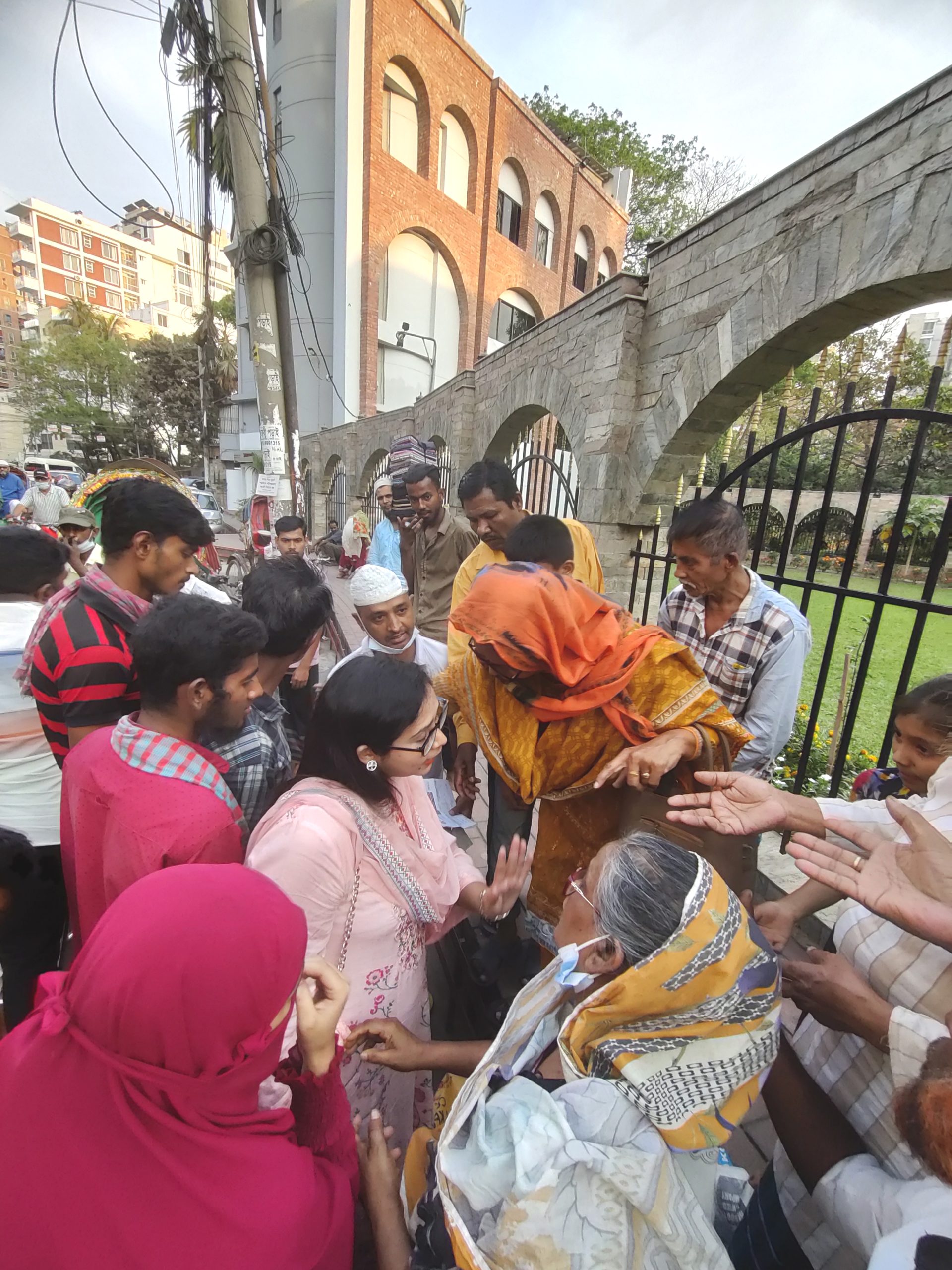
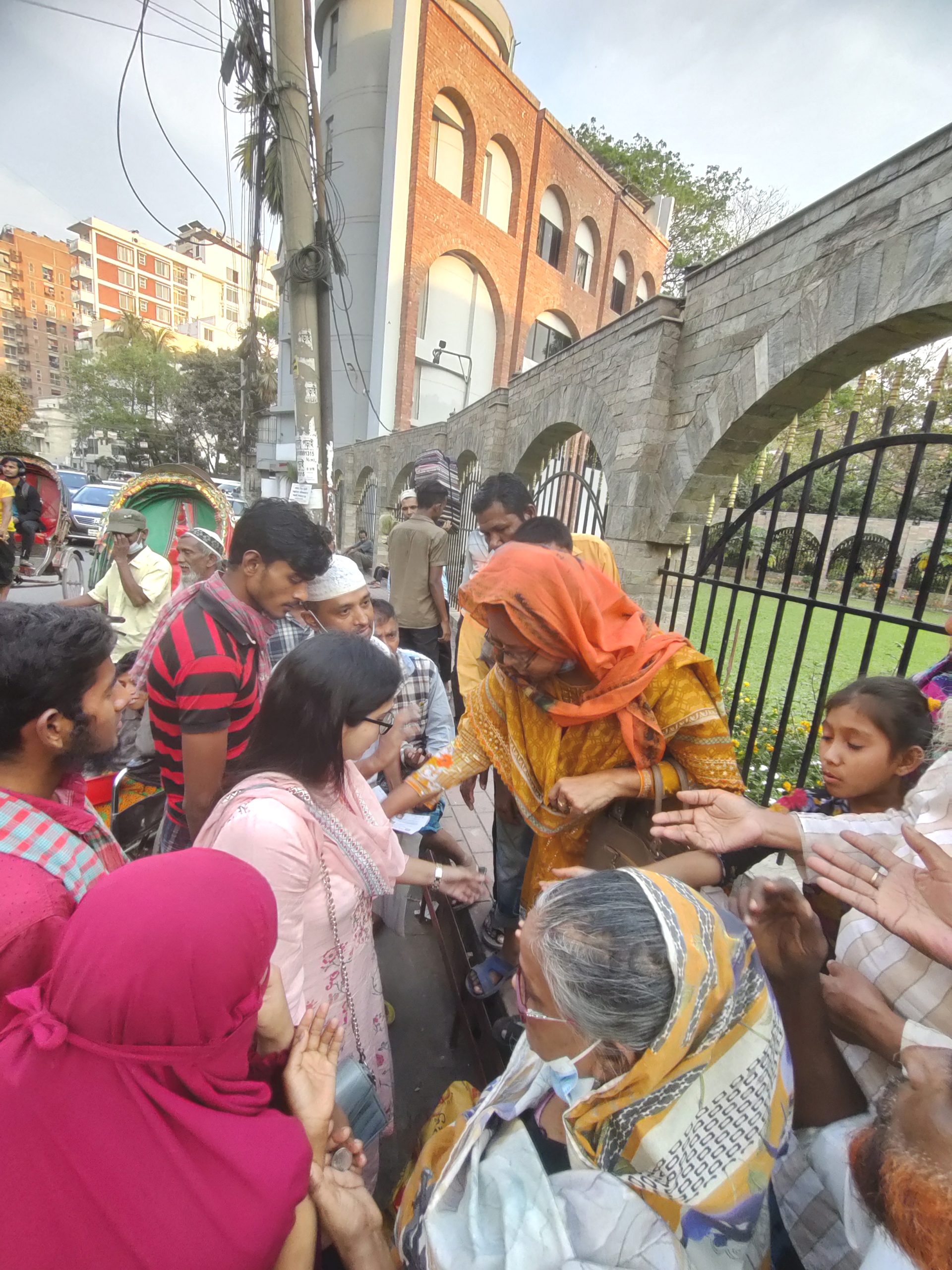
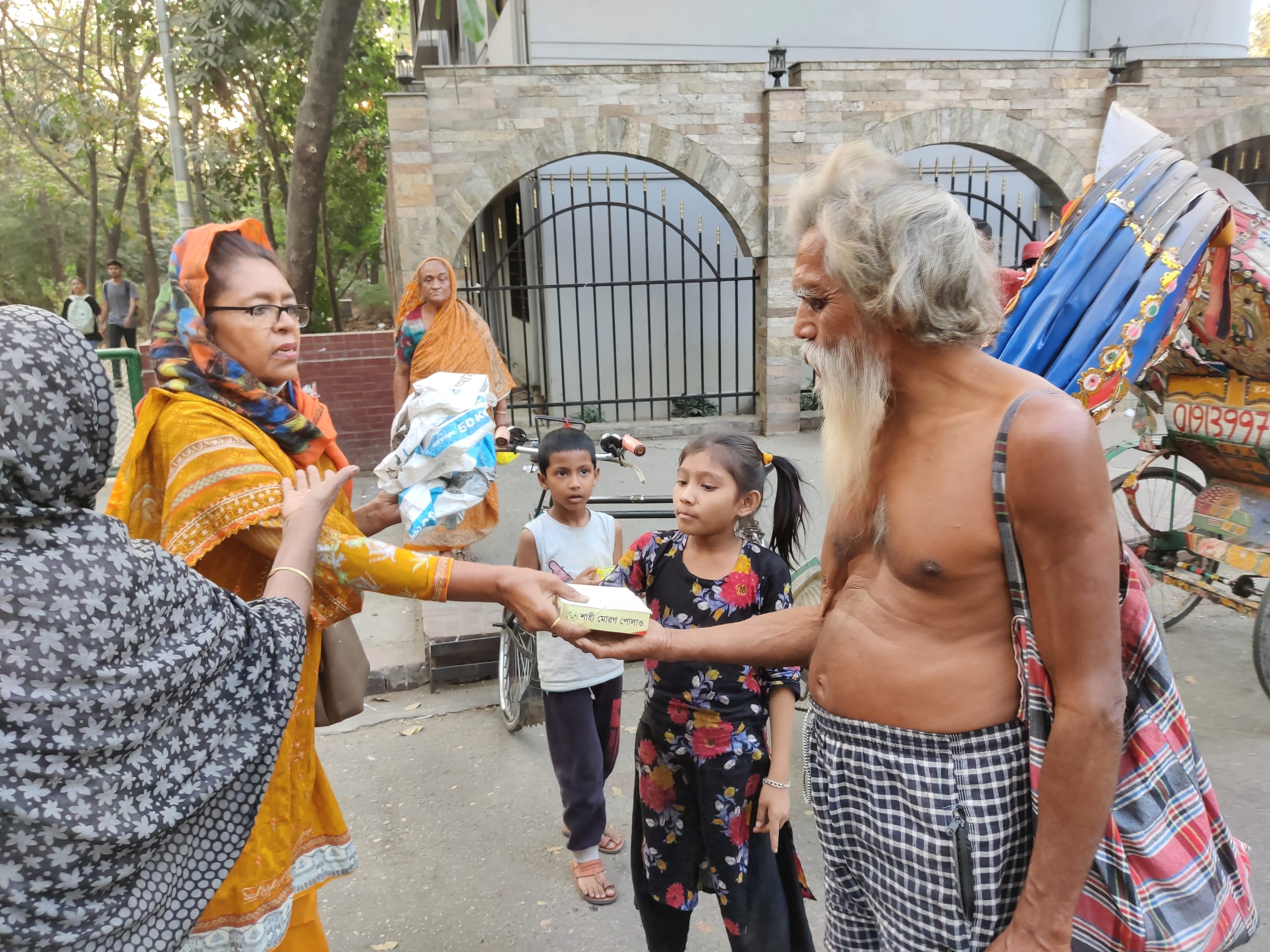
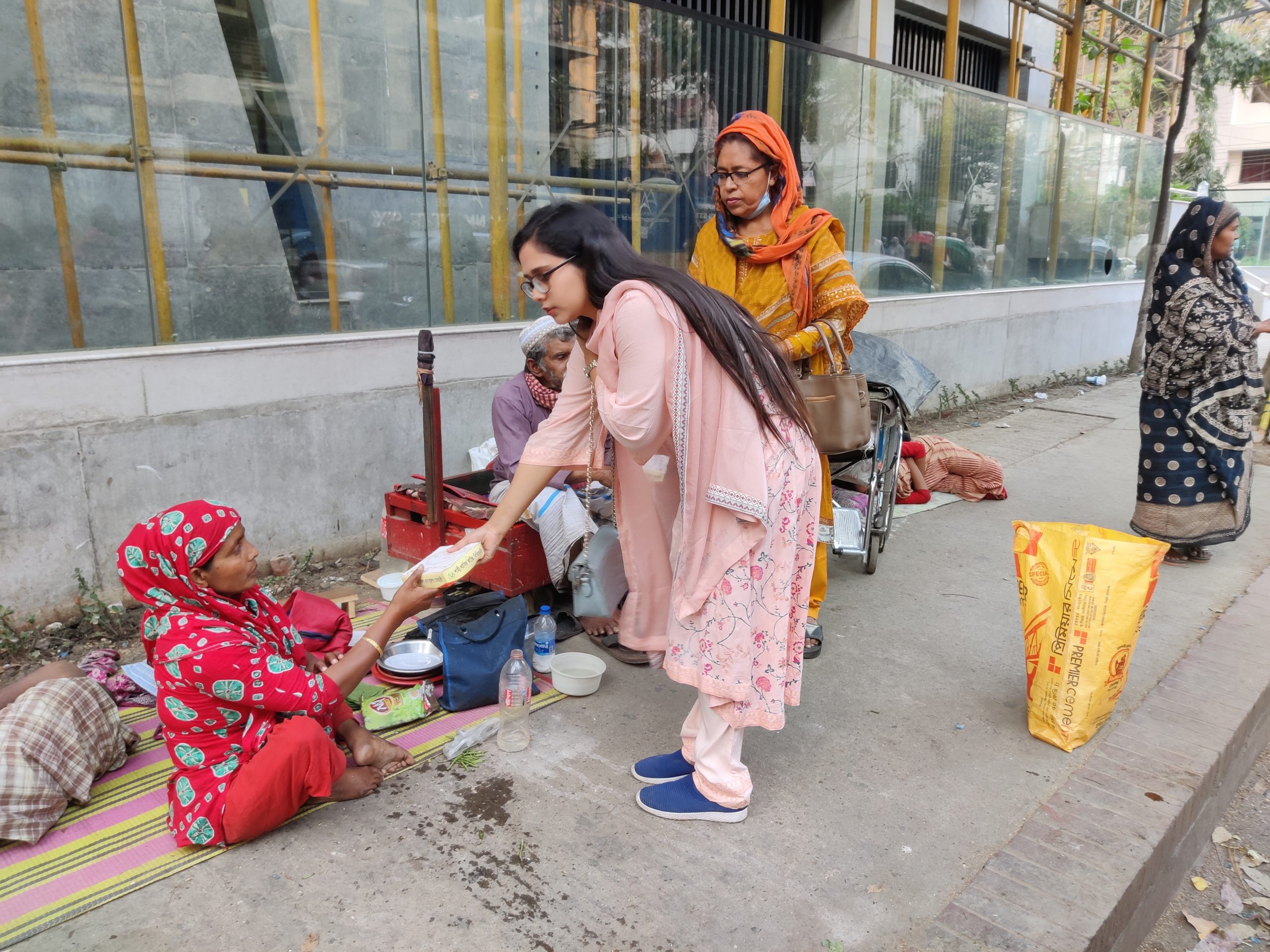
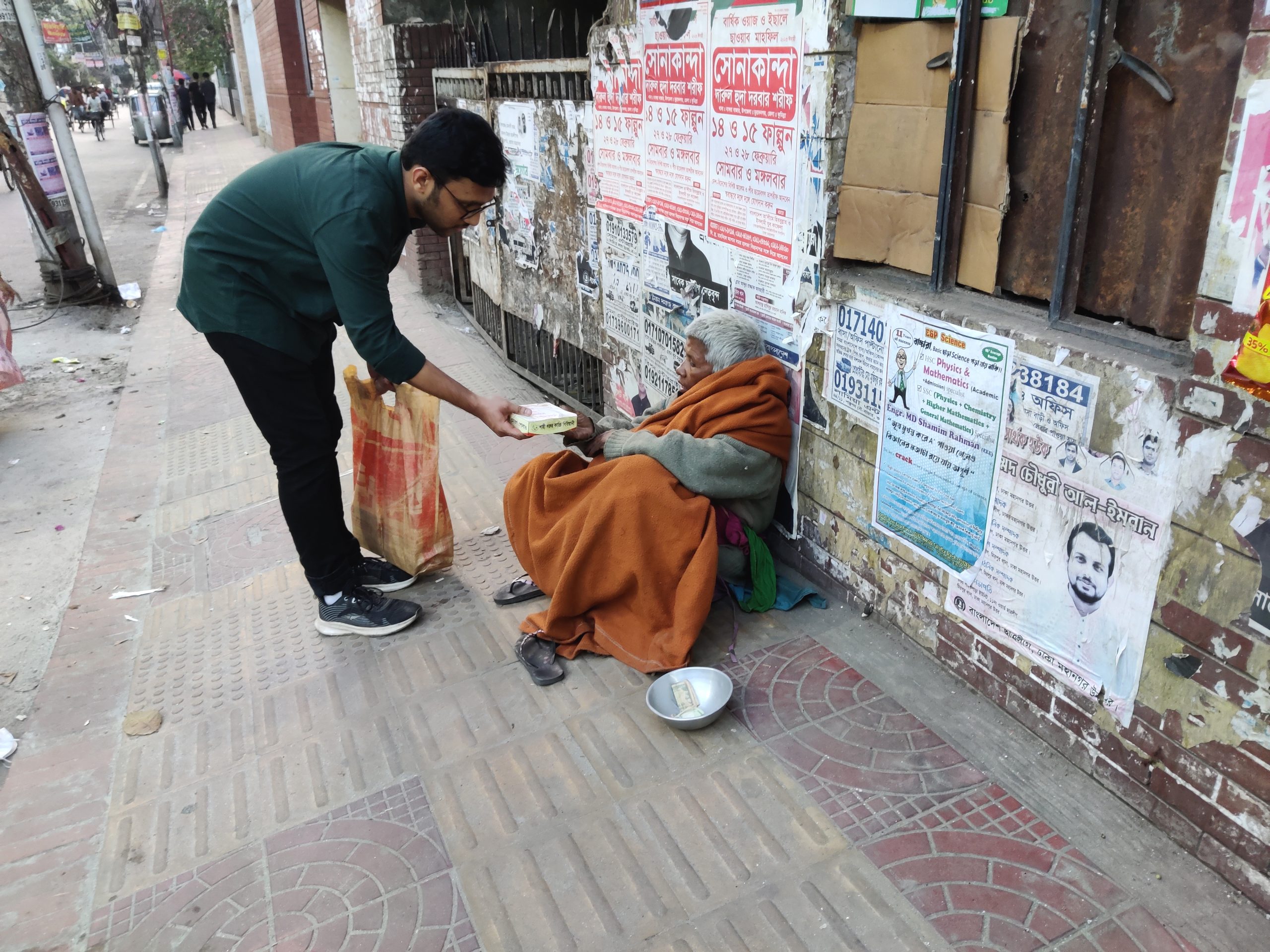
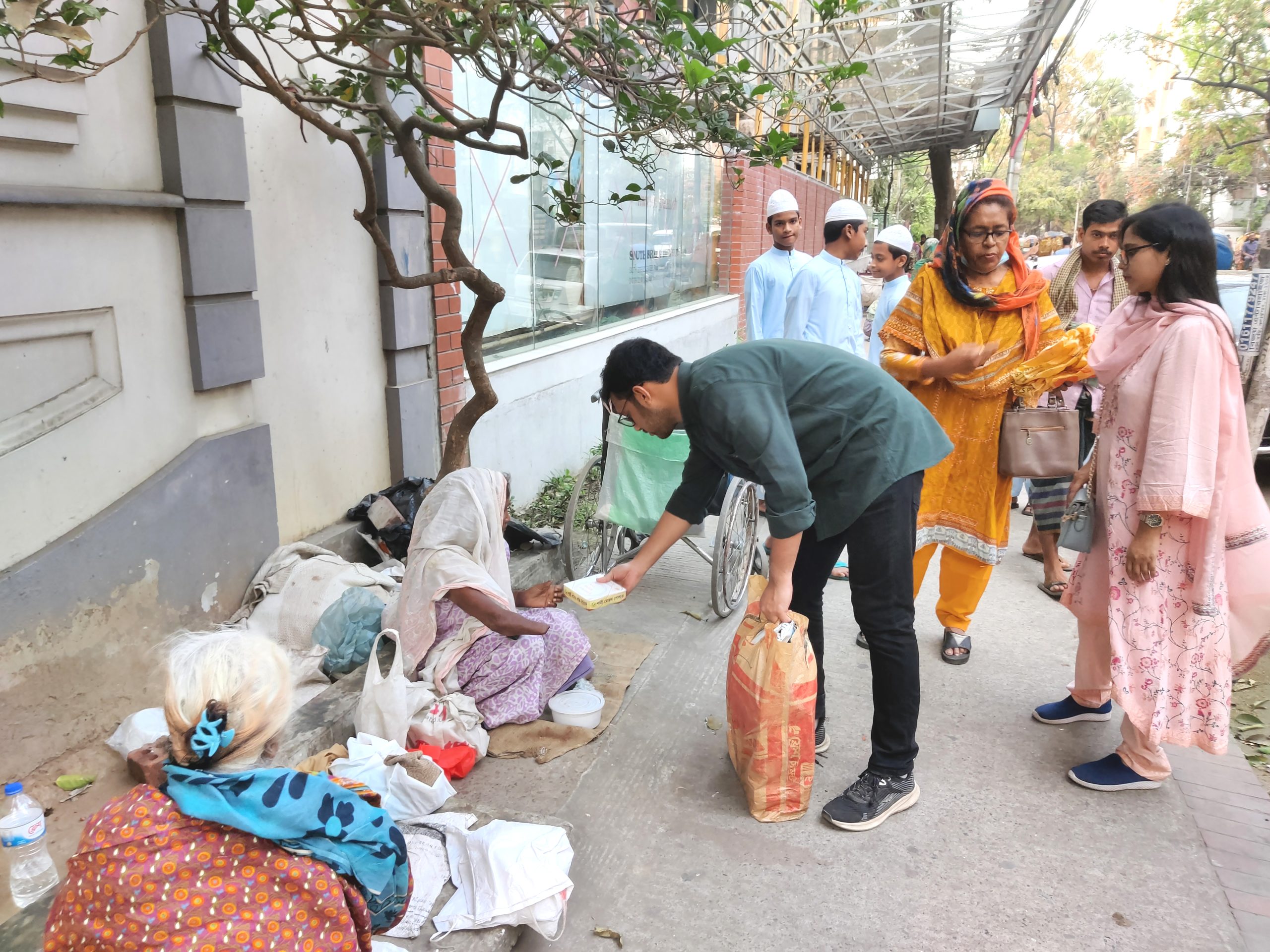
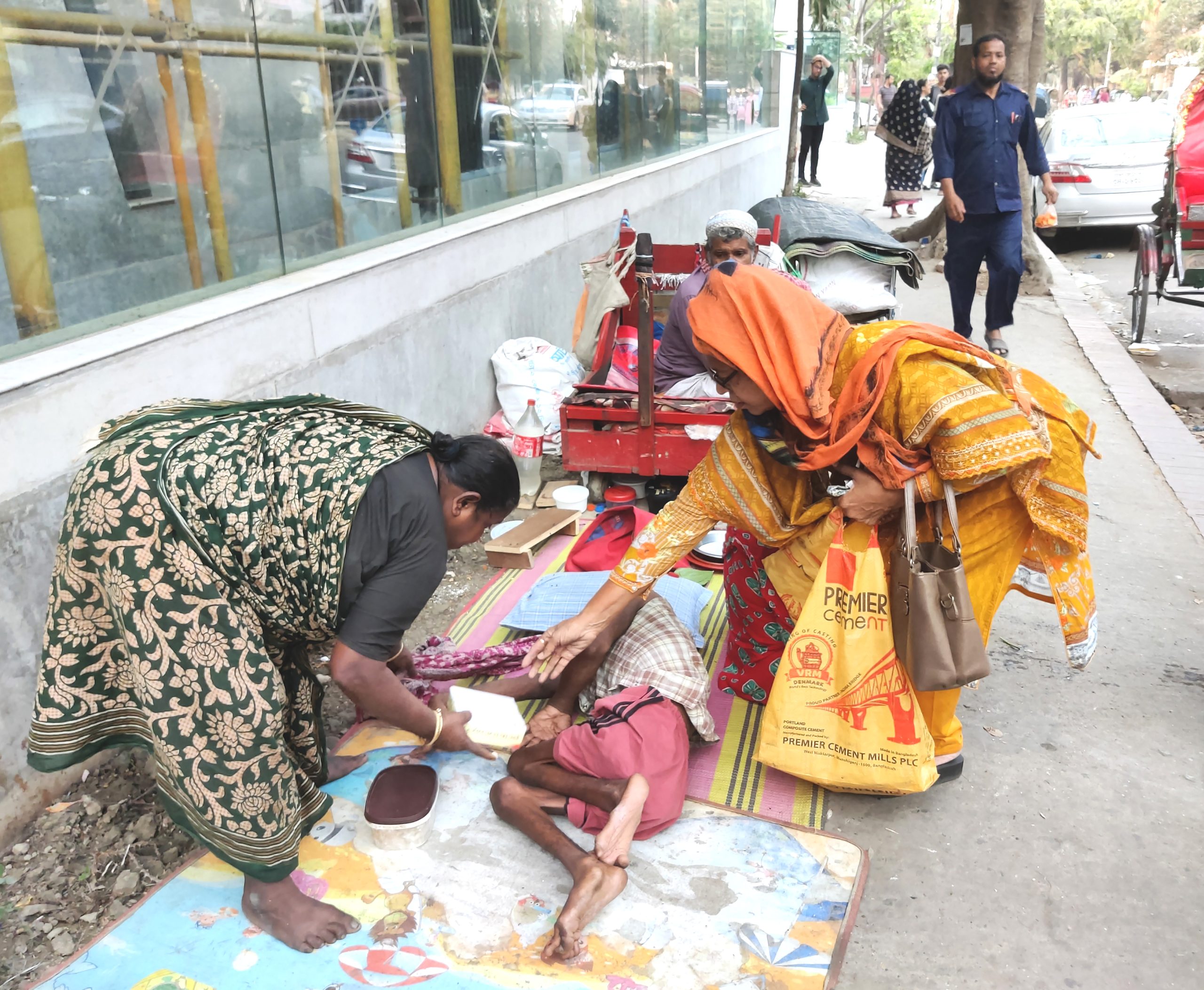
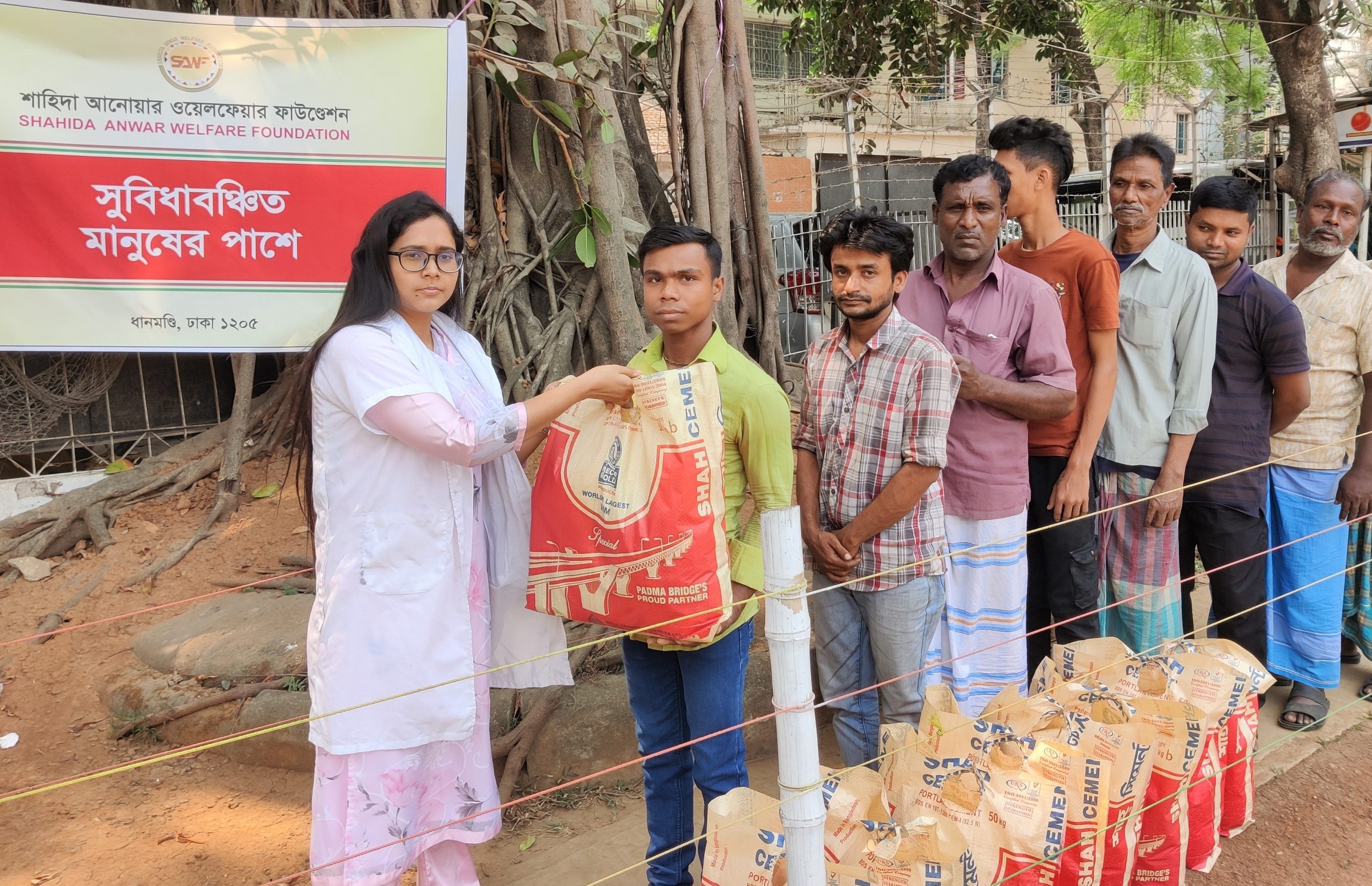
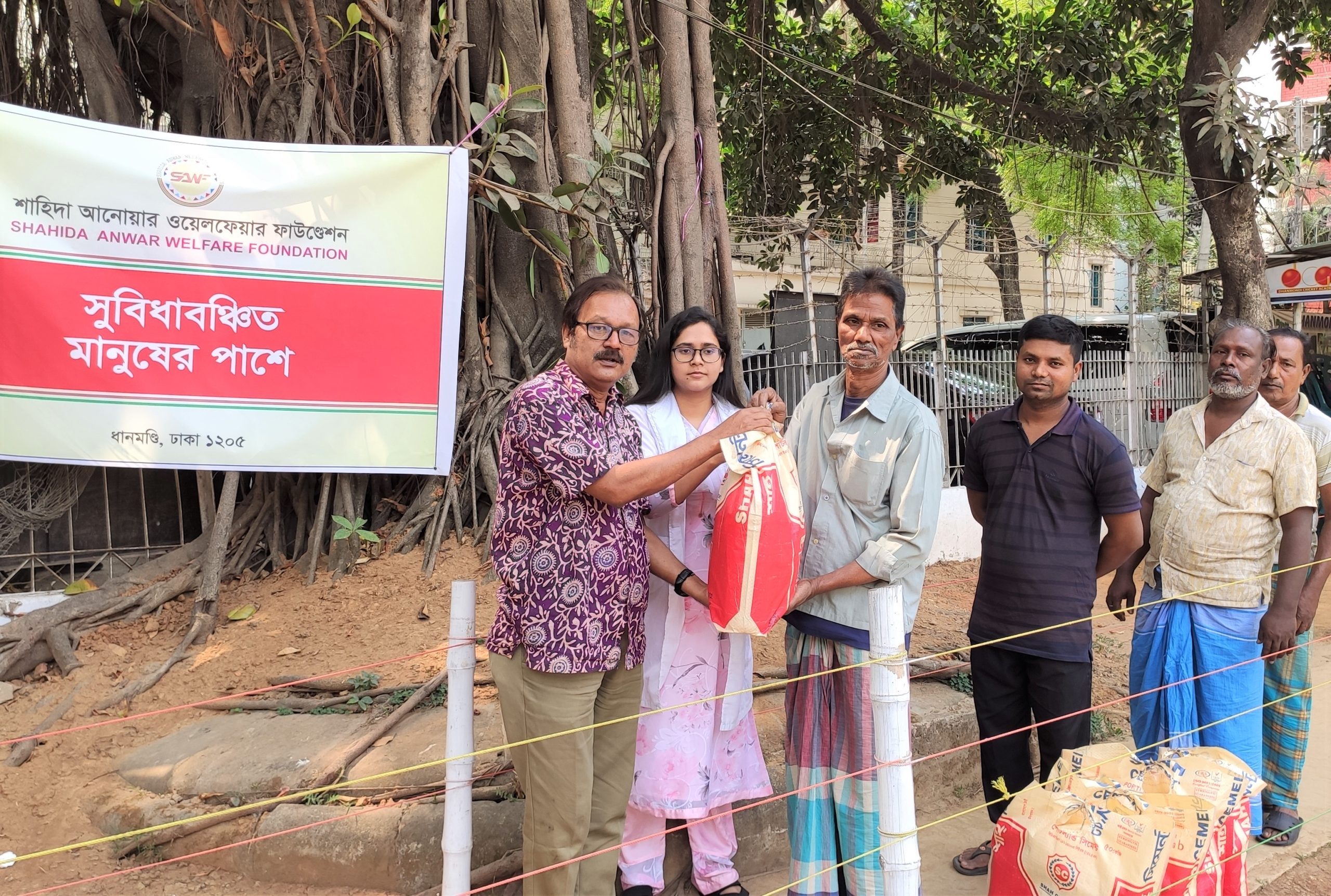
Foundation chairman Shahida Khatun is distributing food among under privileged people
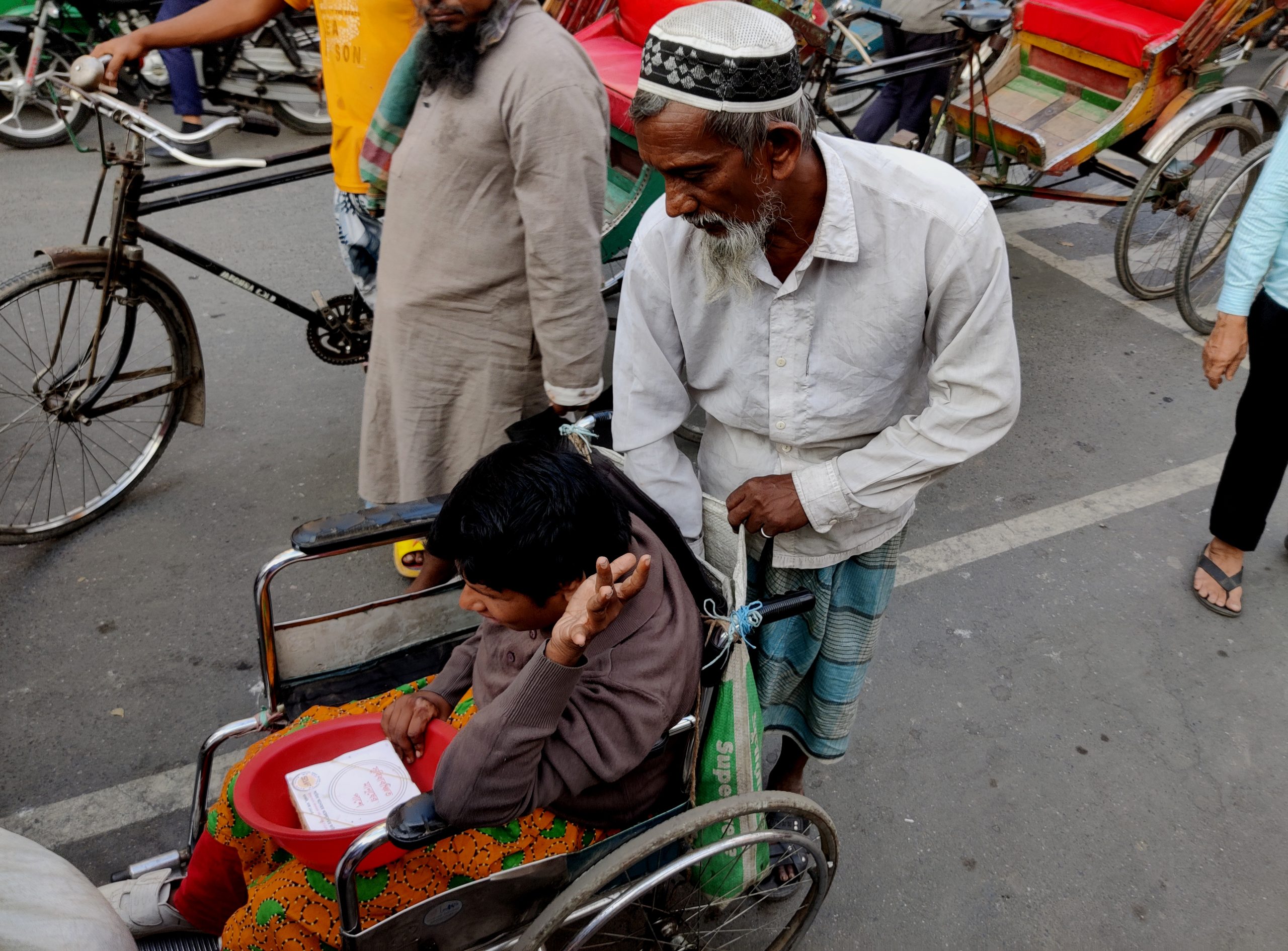
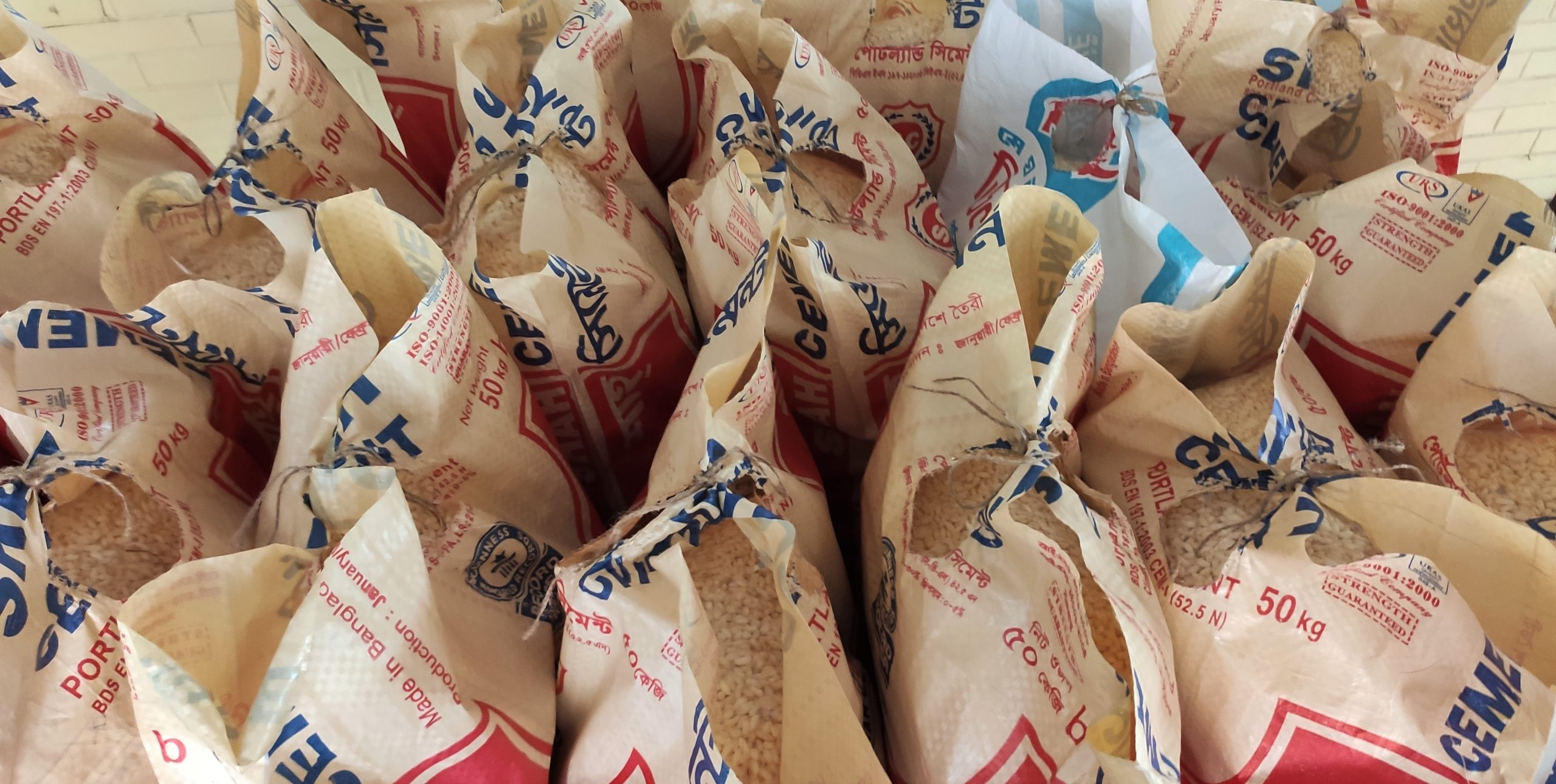
The number of floating people in Dhaka city is increasing. These floating people live on the footpaths of different roads and on road islands. Their crowd can be noticed especially on the sidewalk adjacent to the mosque. Helpless people are seen sitting all day long hoping for help. Roads and sidewalks are not only places for such people to spend the night, but also their homes. Some of them may be temporary labourers, beggars, rickshaw pullers, or street vendors. Who is not on the sidewalk! Old-young-children, men-women and teenagers with no future; There are also people crippled by various accidents. Our small effort to help these underprivileged people from different places in Dhaka city.
]]>https://shahidaanwar.org/index.php/2023/05/03/hello-world-6-2/feed/0Hello world! #3
https://shahidaanwar.org/index.php/2023/03/18/hello-world-3/
https://shahidaanwar.org/index.php/2023/03/18/hello-world-3/#respondSat, 18 Mar 2023 06:18:55 +0000https://rgscorpbd.com/sawf/?p=177Continue reading Hello world! #3]]>Lorem Ipsum is simply dummy text of the printing and typesetting industry. Lorem Ipsum has been the industry’s standard dummy text ever since the 1500s, when an unknown printer took a galley of type and scrambled it to make a type specimen book. It has survived not only five centuries, but also the leap into electronic typesetting, remaining essentially unchanged. It was popularised in the 1960s with the release of Letraset sheets containing Lorem Ipsum passages, and more recently with desktop publishing software like Aldus PageMaker including versions of Lorem Ipsum.
]]>https://shahidaanwar.org/index.php/2023/03/18/hello-world-3/feed/0Cobbler: Underprivileged people
https://shahidaanwar.org/index.php/2023/03/18/hello-world-6/
https://shahidaanwar.org/index.php/2023/03/18/hello-world-6/#respondSat, 18 Mar 2023 06:18:55 +0000https://rgscorpbd.com/sawf/?p=180Continue reading Cobbler: Underprivileged people]]>
Cobbler: Underprivileged people
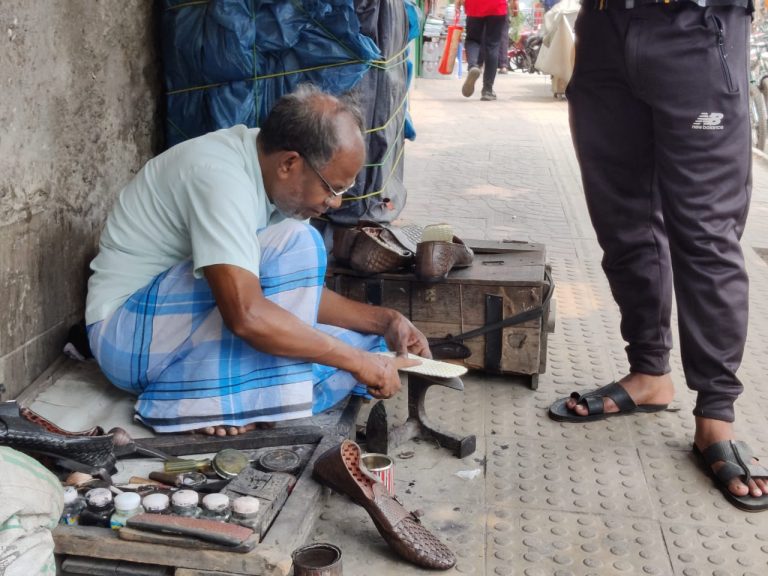
Cobbler
In modern age we like to dress ourselves irrespective of male and female. The habit of wearing matching shoes with this aesthetic dress has also developed since long ago. If the shoes don’t match the dress, don’t go. Everyone wants to keep the shoes clean and shiny with color coating. We also say, ‘Polish so that even face can be seen’. And those who do this work are people belonging to ‘Muchi’ community. Usually we know them as cobblers. They are of tribal origin. It is clear from the way the life of cobblers or tanners has appeared in Bengali literature that cobblers have had an important position in social life since ancient times. Muchis belong to the Hindu community and are low caste and socially untouchable. As untouchables had to live separately. . Historically their economic position is low. Currently, the condition of this community is deplorable. Cobblers are victims of social discrimination due to their profession. As there is no guarantee of income, they often have to spend their days with half food. This is the destiny! ‘Shahida Anwar Welfare Foundation’ stands with some underprivileged people belonging to the Muchi community.